Our Autumn market report provides the latest information on all the main fish and seafood species.

Summary

View seasonal updates on all the farmed and wild species of fish and shellfish, along with info on deli lines and a selection of the latest industry stories from around the world.

Page contents

Buyer recommendations

Good picks from buyers this season include:

Fish market report

Fish market report overview

Plus Icon

Welcome to the autumn 2026 newsletter, which aims to cover the September to November period for the supply of fresh and frozen fish. If you are a fan of the “Catch Up”, and you religiously read it cover to cover, you will know that this is my favourite season as the climate of the autumn is famously ideal for native species and for aquaculture alike. However, on the subject of climate, the hot and dry conditions we have experienced in much of the UK through spring and summer may extend into the autumn. This could see a delay in return to prime quality for bivalve molluscs in particular. Traditionally, the advice has been that species such as mussels and native oysters are in season during the months with an “r”. Any continuation of the current record-breaking temperatures will see the native oyster season starting much later, and a delay in mussels returning to prime condition. Speak to your account manager if you are unsure of when to promote fish in season.

Whilst our industry endures ongoing cost pressure, we are optimistic of some stability in fish prices as we head towards the end of the year. With the EU taking a position not to sanction fish of Russian origin, we are hopeful that this will curtail the inflation in whitefish to some degree. It is worth noting, however, that the Marine and Freshwater Research Institute has advised a 20% reduction in Icelandic haddock quota for the 2026/2027 fishing season that starts in September. This is due to a declining reference stock. Whitefish shortages are not going away anytime soon, but we continue to invest resource in finding other species as alternatives to the traditional UK favourites. This includes the introduction of our new customer experience centre with our own dedicated Head of Culinary Development who will be working to create inspiration for lesser utilised fish options.

As a result of the unprecedented temperatures we have experienced this year, we are seeing the highest sea surface temperatures on record. 2025 was the fourth consecutive year of unparalleled ocean warming, and 2026 looks to have continued that trend. Peru is a critical supplier for fish meal for aquaculture as most Peruvian anchovies are processed into fishmeal and fish oil, and the fishery accounts for circa 20% of global fishmeal supply. This year, the warming waters (linked to a strong coastal El Niño) has led to poor catches and fishing restrictions designed to protect juvenile fish. The quota has been cut sharply, and fishing bans have further reduced landings. Fishmeal prices have surged to record levels, in some cases rising around 80% from a year earlier. This will increase costs throughout aquaculture (salmon, sea bass, trout and prawns as an example). Climate change will have significant consequences for our seas and therefore on marine ecosystems, biodiversity, fisheries and coastal economies. It is incumbent on all of us to take greater responsibility for how we operate day to day to mitigate

these effects.

We are currently working with the SCEPT (Seafoods Carbon Emissions Profiling Tool) to improve understanding of seafood carbon hotspots, and generate carbon footprints for the most popular species, including cod, haddock, salmon, sea bass and prawns. In time, this will enable us to direct operators to the best choices for menus when seeking to reduce carbon emissions. We have also introduced our first BEV (battery electric vehicle) to our fleet to reduce transport emissions. We have initiated a pilot project on returnable crates with a customer to support their move towards more circular packaging. If successful, we will roll this out more extensively. We have successfully maintained our zero-to-landfill approach and continue to improve waste management and recycling. We have introduced non-ablated frozen prawns to our range as part of our commitment to improved animal welfare, in addition to continuing the growth of our MSC certified products, whilst actively progressing crustacean welfare, including consideration of responsible handling and humane treatment of lobsters, crabs and other decapods at our sites. We have additionally undertaken a route rationalisation project to reduce inefficient journeys across the network whilst improving the work life balance of our drivers and factory operatives. Lastly, we have secured a £3,000 grant through our Royal Warrant membership for our corporate charity partner, the Fishermen’s Mission. This charity provides practical, financial and pastoral support to active and retired fishers and their families across the UK. The grant will be match funded by us to a total of £6,000 and will enable the Fishermen’s Mission to support the delivery of dental van services at SeaFit events in Whernside and Blyth, helping provide essential dental care to two fishing communities that may otherwise struggle to access these vital services due to the demands of working at sea.

We can only progress these initiatives with the support of our customers, so thank you to all of you who have worked with us on some of these to date. We welcome further engagement from those of you who have not started your ESG journeys.

Finally, if anyone was in any doubt as to whether to put more fish on your menus this autumn, you may be aware that the Norwegian national football team shipped over 500kg of native Norwegian seafood to their training base for the 2026 FIFA World Cup to elevate player nutrition and recovery. Renowned player Erling Haaland heavily promoted the initiative in his position as international ambassador for the Norwegian Seafood Council. Advancing to the quarter-finals for the first time in their history, we are certain that the seafood played a huge part!

Natalie Hudd, Director of Sales, Direct Seafoods.

Disclaimer – the market report is a guide using information from our buyers who have a wealth of experience. Other influences still effect greatly the market place, weather, seasonal changes, supply and demand in retail and catering alongside exchanges rates.

Farmed fish

Sea Bass and Gilthead Bream

Plus Icon

We have been fortunate that the hot weather has not yet caused any significant mortalities in either species. Supply is currently stable and the improved exchange rate has helped to limit any price fluctuations. There is no expectation of a large decline in current price levels, but it is unlikely that we will see any significant increases during the autumn season. This means that either species will make a good choice for your menu. Reducing serving size by using smaller fish will yield savings.

Salmon

Plus Icon

Whilst we have seen whole fish prices reducing from the springtime, the reductions have not been as significant as in 2025. There have been some surprising price rises in August thus far. Some of the reasons for this include China buying heavy on larger sizes, and Polish merchants buying heavily on 3-4kg and 4-5kg sizes to freeze. It is yet to be seen how this situation will develop into September, but August 2026 prices have been circa 25% higher than last year. Predicting salmon prices does require a highly effective crystal ball, and this is why it is impossible to categorically state where the market will sit over the next three months. Caution is always exercised due to how key this species is for the majority of operators. We would tentatively suggest that the autumn should see salmon as a good option but beware of how quickly the price can rise as European demand typically improves after summer and into the run up to Christmas. Unless Norwegian production exceeds expectations, a major autumn price drop looks unlikely based on current market trends. We are optimistic that we may soon be able to offer salmon from a recirculating aquaculture system (RAS). This onshore farming system negates the issues inherent with open net pen farming. These issues include fish escapes, pollution and external factors such as algae blooms. This could prove to be a way that we can offer stable pricing for salmon over longer periods in the future.

Trout

Plus Icon

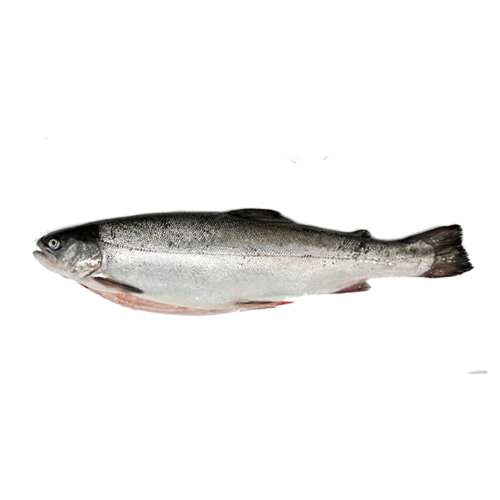
There have been increased costs to the farm producing Chalkstream® trout, including the expansion of their team following investment into their new hatchery. Rising global demand for alternative protein and oil sources has also led to unavoidable increases in feed costs, similar to those experienced following the outbreak of the war in Ukraine in 2022. Increased demand for vegetable oils in biofuel production, combined with fertiliser shortages, has placed upward pressure on cereal markets. This is particularly significant because approximately 85% of fish feed is derived from vegetable proteins and oils. The marine component of the feed has also become more expensive. Whilst the farm uses marine proteins and oils recovered from fish trimmings and processing by-products, reduced availability of wild marine ingredients, largely due to El Niño-related fishing conditions, has increased demand for these alternative sources across the aquaculture industry, resulting in further cost increases. Alternatives to Chalkstream® include sea reared trout of various origins, Norwegian Mountain trout and char. Consistent demand from the USA and Poland, alongside the anticipated firmness of salmon pricing, means that all variations are likely to remain firm in price, but we do not expect any issues in supply availability.

Halibut

Plus Icon

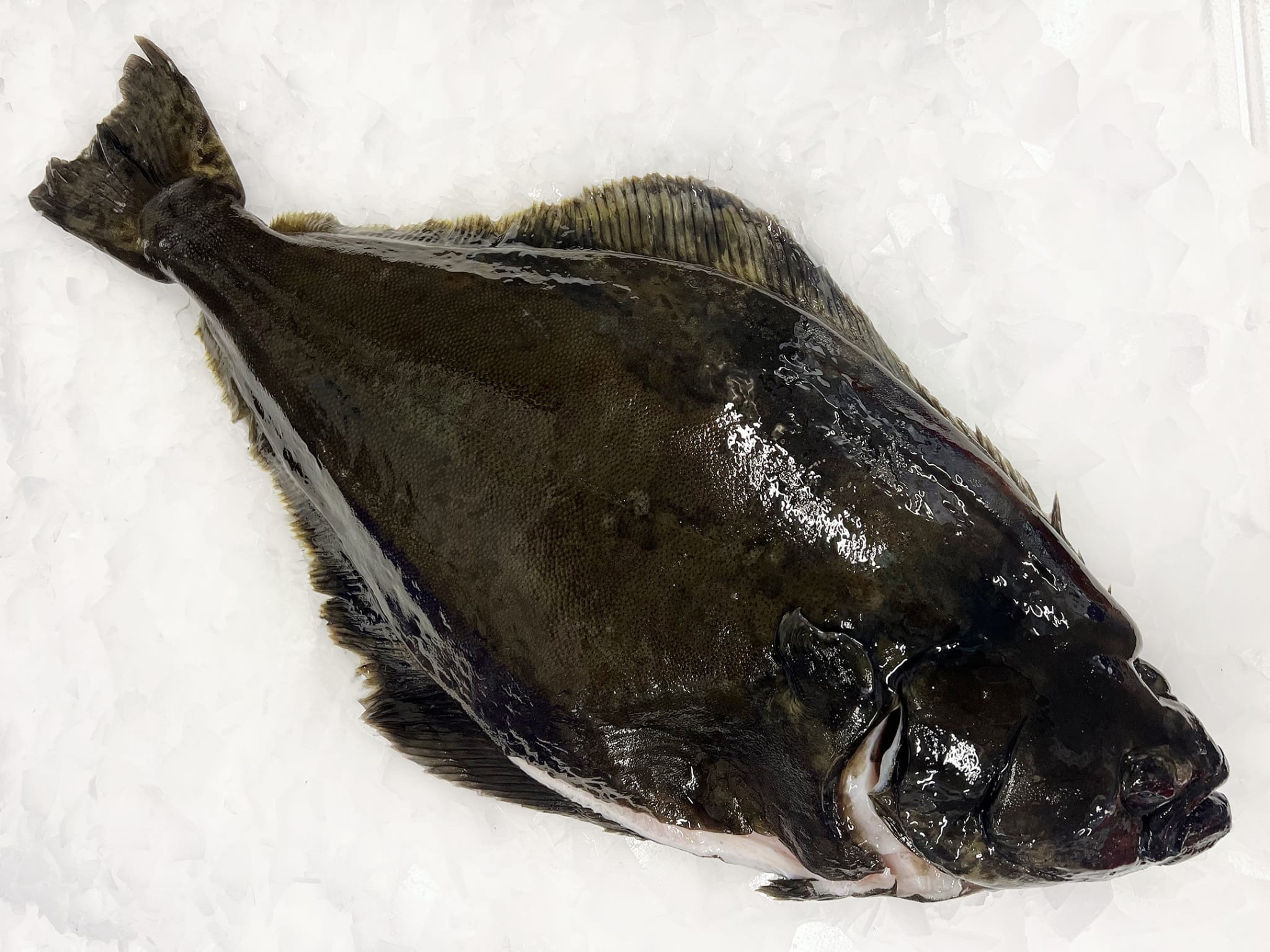
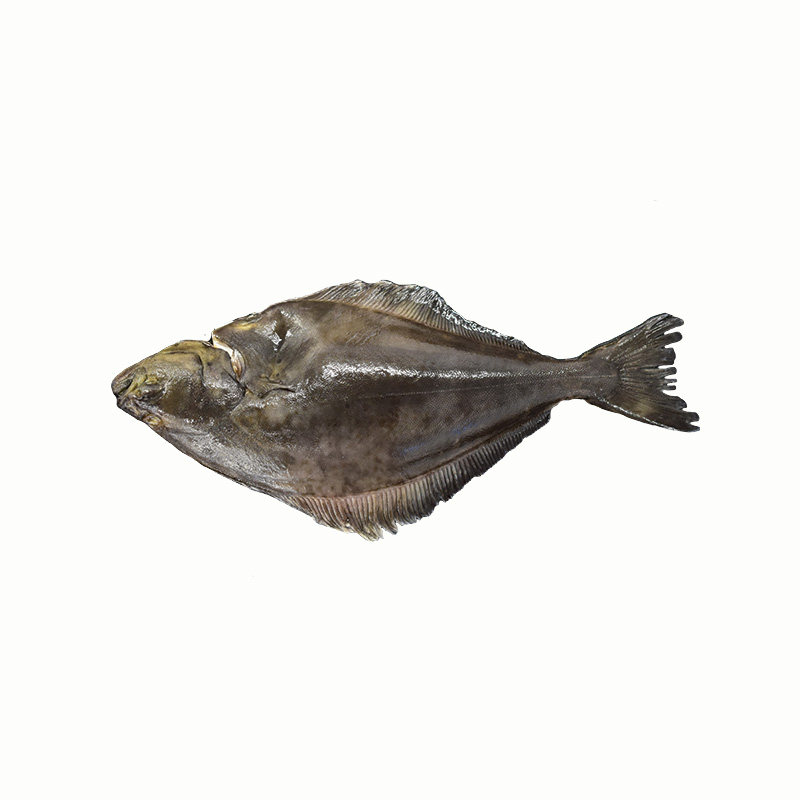
Halibut prices have remained firm despite increased harvest volumes. The US market is creating some pressure due to declining wild Pacific halibut quotas reducing wild supply. Do not expect any significant decreases in price levels. Halibut typically takes 2.5-3 years to reach harvest size, so improving biomass on the back of increased demand is not a quick process. That being said, this premium fish is a great choice for an autumn menu because its rich, clean flavour pairs beautifully with seasonal produce. Try roasting and serving with wild mushrooms, celeriac purée and cider butter.

Other farmed species

Plus Icon

Meagre biomass is steady and we expect this to be a good option for the autumn. The continuing substantial growth in Mediterranean aquaculture, particularly in Spain, Greece and Turkey, limits the scope for major price spikes. Additionally, meagre saw increasing demand as a result of the historical stock and sustainability issues with wild sea bass. Now that wild sea bass is back on the menu, this should help to relax the demand as we head into the Christmas trading period. Farmed turbot prices are likely to see the usual seasonal increase in line with their wild counterparts. Limited supply from relatively few producers also drives higher prices. Halibut is a better choice for the next six months. If you haven’t tried our ASC certified tilapia as an alternative to cod and haddock, then this would be a worth a look over the autumn. Consider offering this as your lunchtime “Fish and Chips”, balancing sustainability credentials with cost control.

Wild fish

Flat fish

Plus Icon

Many of our core native flat fish will remain in season throughout the autumn – although we are probably past the best time for wild turbot or brill pricing. Plaice prices on the popular grades have increased a little as frozen processors are filling up frozen inventory during the prime season. This is the last season for the best of our UK fish, and the value is attractive compared with turbot, dover sole and farmed halibut. Lemon sole will also be a good choice for the autumn, delivering a “premium sole” experience at a lower cost than dover sole. Demand will strengthen in late autumn as this fish is highly desirable on festive menus. Talk to your account manager if you are hoping to use on a winter menu. It would be worth freezing some stock during the autumn to preserve a more competitive price level and better availability. This is also the perfect time for megrims or “Cornish Sole”. September to November falls squarely within the recommended season and stocks are considered abundant and sustainably managed in key UK fisheries. Dover sole will also be excellent quality, but like brill and turbot, pricing will be firm, especially from October onwards as festive demand begins to build.

White fish

Plus Icon

The Icelandic fishing quota 2026-2027 commences in September, and we should see supply and quality improve once the season is underway. Haddock prices at auction are sitting significantly above those seen in summer 2025, with available volume incredibly short and supply likely to dry up even further in the next 12 months due to the Marine and Freshwater Research Institute proposing a 20% cut to next year’s quota. Summer haddock is typically lower quality than earlier in the year, but low availability means that inflated prices are still being commanded. Iceland is also seeing unusually strong late-season cod landings, but prices remain elevated because global whitefish supplies remain tight. Compared to a year ago, the smallest sizes have risen considerably, with key gradings roughly 15% higher. With the ongoing battle of convincing consumers to try other species, there are no signs of any pricing relief on either species in the short term. Hake is one of the species that has seemingly bucked the trend of the average consumer not diversifying from cod or haddock. Twenty years ago, many UK consumers barely knew hake. Today it has become a mainstream restaurant fish with a strong sustainability reputation. However, prices have surged this summer due to higher fuel and freight costs, and a massive shift in demand as restaurants and fish-and-chip shops struggle to replace skyrocketing cod and haddock. Continuing strong demand from the continent has further bolstered auction prices with July 2026 averaging 30% higher than July 2025. Unless we see some significant landings, we would expect prices to remain firm. This is another species that customers should consider freezing in the autumn if there is a desire to use on Winter menus. Coley is being increasingly recognised as a sustainable, value-for-money whitefish. This should make it attractive when margins are under pressure, but there is a sustained attitude that it is a less than premium fish. Prices have firmed as a result of some markets switching to coley due to the global whitefish shortage, but it still represents significantly better value than a cod fillet of the same size which is circa double the price.

Round fish

Plus Icon

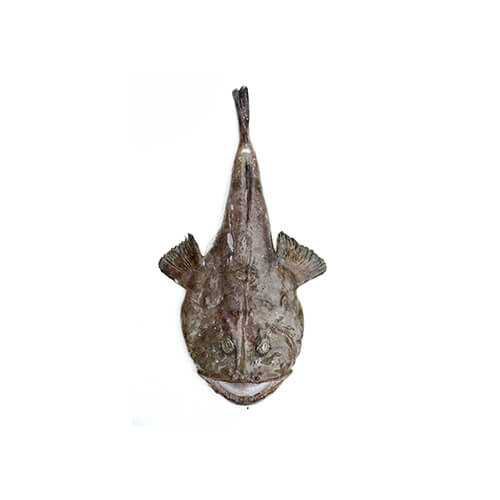
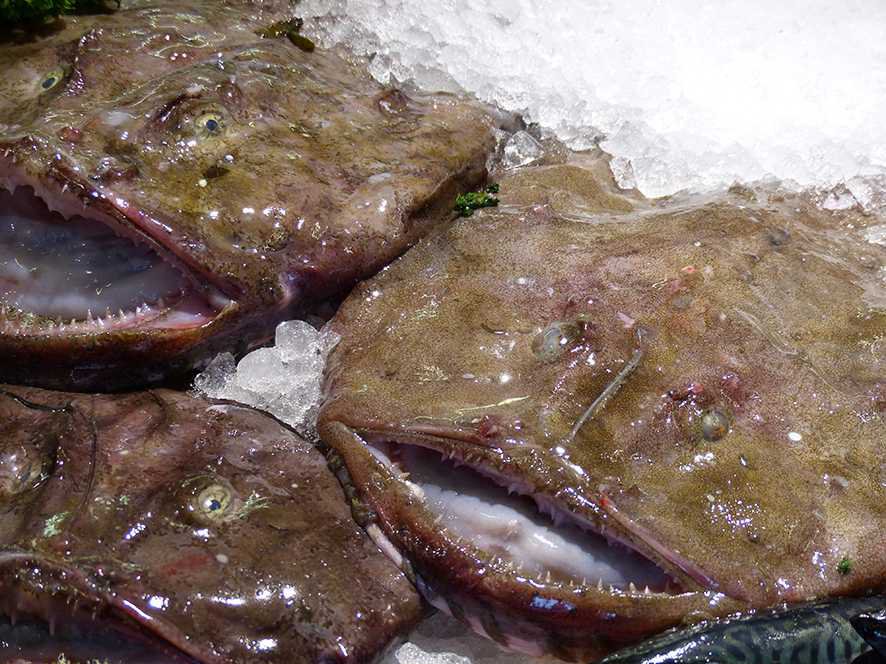
Monkfish prices are generally strong and have been holding up well compared with most whitefish as it is a premium species in UK and European markets, with significant export demand, especially into France and Spain. Whilst it sits at the higher end of a menu offering, it still represents a good choice for the autumn as it is unlikely to see dramatic spikes unless landings tighten significantly. This is not usually the case until we get into the month of December. Curried monkfish with squash and mussels would be a great dish on an autumn menu. Mackerel remains a sustainability concern and should be avoided. Current UK export-price indicators show mackerel to be up roughly 39% year-on-year due to lower quotas and tighter supply. When mackerel supply tightens, some demand switches into sardines and upward price pressure on pelagic species generally. Factor in strong export demand from Spain, Portugal, and France, where sardines have a much larger consumer market than the UK, and we are seeing strong prices at auction. However, low food cost relative to perceived value means that sardines will still be a cost-effective choice on your menu for the next three months, with good quality frozen stock under-pinning any shortages. Wild sea bass prices are firm and remain at the higher end of the UK fish market. Carrying a significant premium over farmed bass because of provenance, texture and flavour, wild sea bass sees strong demand from operators – particularly with the recently improved sustainability rating. With some scarcity likely around the festive period, this is a species to use now if you have deeper pockets! Gurnard are a winter fish so will be coming into season now. Their strong flavour makes them perfect for soups and stews. Check with your account manager for the most sustainable sources.

Cephalopods

Plus Icon

Autumn is a strong season for our native cephalopods, but their sustainability rating impedes many operators from utilising on menus. The octopus bloom in the South West continues to decimate crab and lobster fisheries. Unfortunately, it is still the case that there are no changes in the sustainability guidance. Export demand is ensuring that some fishermen can earn income from a species that was previously a minor part of UK landings, but for lobster and crab potters the effects are devastating. Scientists believe that these blooms are a result of our warming waters (see overview) so octopus could become a regular feature of commercial fisheries around the South West.

Exotics

Plus Icon

Global demand for tuna is robust, but availability is good. With the requirement to freeze fish to serve raw to meet the insatiable appetite for sushi and sashimi, there are good frozen and refreshed stocks to rely on. Swordfish is supplied by multiple global fisheries and is, therefore, generally less exposed to volatility. Both species should represent a stable choice for the autumn season.

Shellfish

Plus Icon

Canada’s spring lobster season saw reported landings down compared to prior years. Poor weather and colder water hindered most

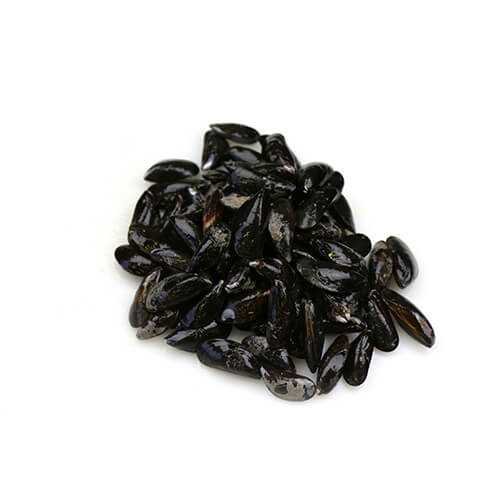
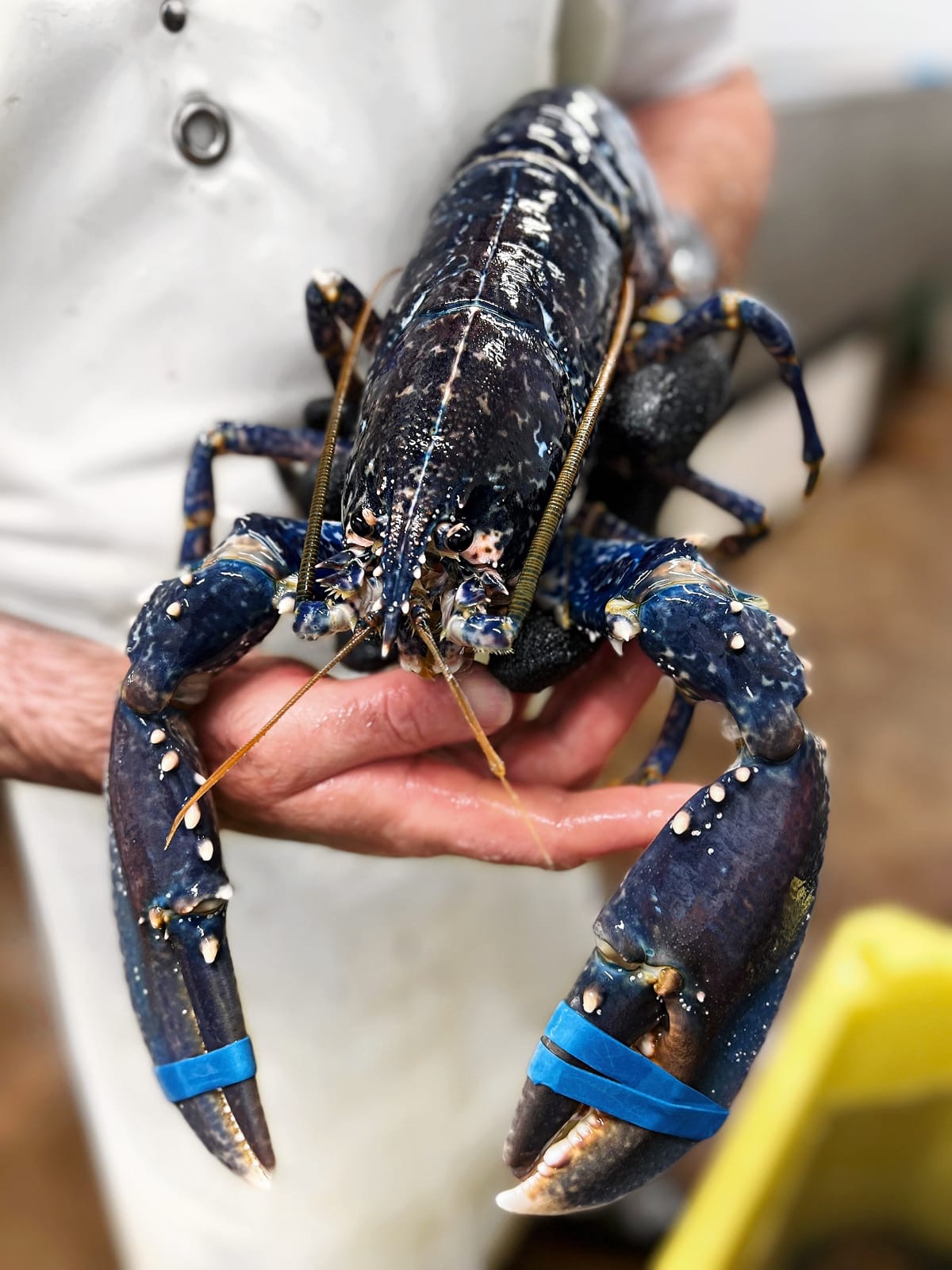
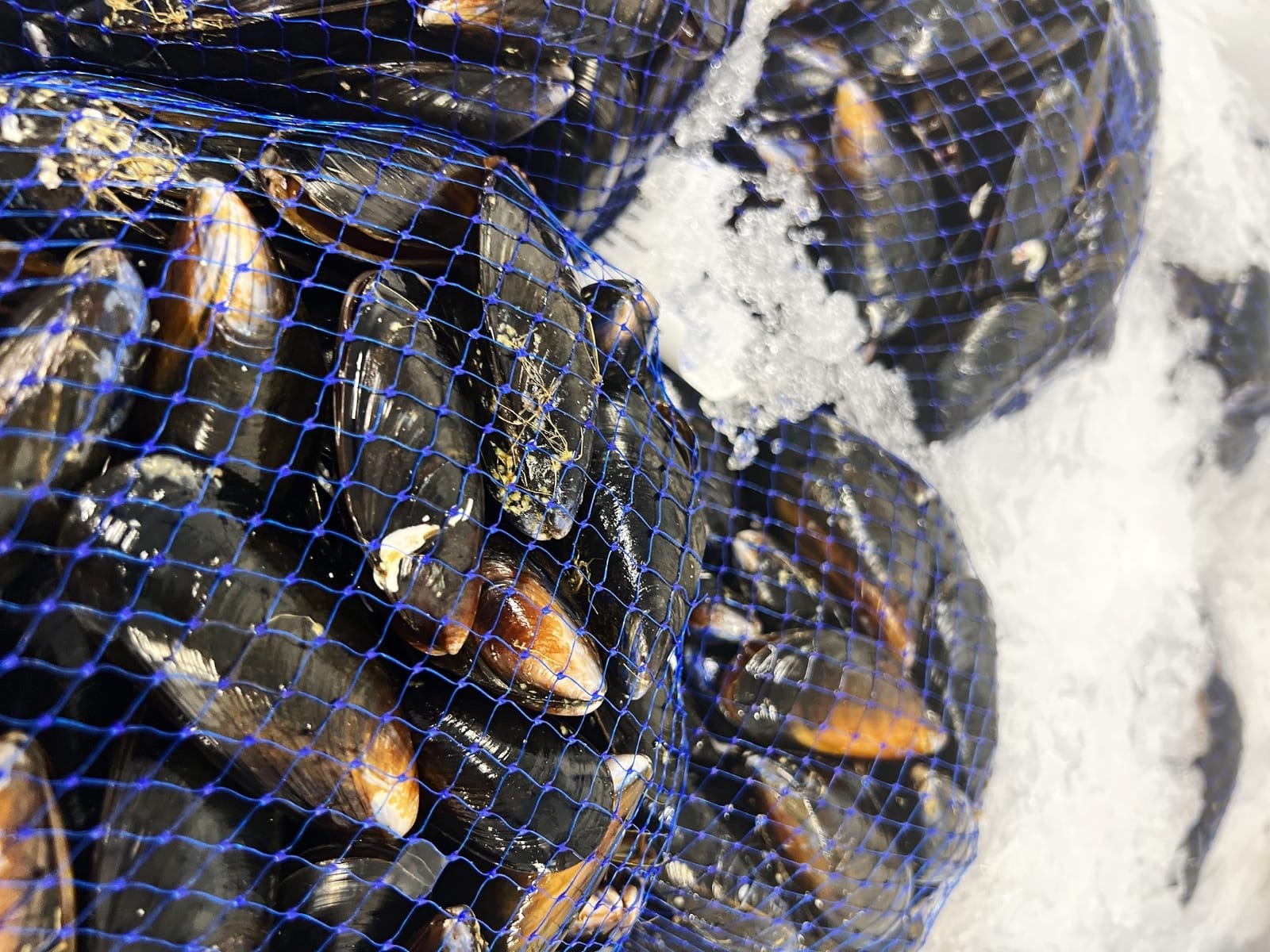
harvesters. Pricing was then higher than expected during July due to the demand around the 4th of July and tight supply from Maine’s seasonal molt, where lobsters are less active during shedding. This is combined with the near-complete end of the spring season. Prices remain firm and this is supported by export demand. We expect availability to remain good over the autumn, but operators should plan for seasonal increases as we head into the festive period. Native lobster fisheries, being relatively small and weather-dependent, could see catches fluctuating significantly, particularly during rough conditions or if the water cools. Any continuation of the warm conditions we are currently experiencing would see a longer season, although our native fish will always carry a premium when compared to imports given the requirement for provenance led menus. Mussels should be back in season in September, although it is worth waiting for the best quality when the water cools down. Pacific oysters are a good year round choice, but be patient and wait for the native oyster season to start if the warmer conditions continue. Both mussels and oysters represent a responsible choice for the sustainability conscious with their low feed inputs. The MSC certified Poole fishery season for clams will continue up until Christmas and the quality should improve if the temperature drops. Mussels and clams are brilliant in autumn because they bridge the gap between summer seafood and richer cold-weather cooking. Mussels, clams, cider, leeks and parsley work well alongside grilled sourdough. The start of the USA scallop season has been reasonably positive with better landings that prior year. There is still a greater proportion of smaller sizes being landed which is consistent with the prior season. Larger grades still command a premium. Buyers are currently focused on stock replenishment rather than building inventory due to shortages from last year, so there are no reductions imminent. Prices remain elevated and there is talk of further increases on the next shipment. UK scallops continue to attract strong export demand, particularly from France, which takes the vast majority of UK exports. We expect quality to be good but prices to rise somewhat against the backdrop of the reduced availability for the roeless imports. One to promote more in the autumn as prices can rise by circa 15% as we go into December. September-November is typically still a strong period for brown crab as they tend to be well-filled after summer feeding. There are continued challenges with the sustainability of the species, but good volumes are being seen out of the Eastern Central North Sea (ECNS) Brown Crab FIP (Fishery Improvement Project) which bodes well for longer-term sustainability.

Smoked, deli and frozen fish

Smoked fish

Plus Icon

Smoked salmon prices will follow the fresh prices. Current data would indicate that prices will sit higher than last year but should still fall short of the levels that we see in December through to January. We would normally expect promotional activity around Christmas in the retail world as smoked salmon is a seasonal traffic driver so factor this in if you are planning winter menus. Could be a time to try cold smoked sea reared trout instead – similar to smoked salmon, but milder, sweeter, and more delicate. Ideal for people who find smoked salmon a little too rich. Good news for smoked haddock. The price has been sitting at a cost that is circa 20% higher than the same period last year – largely due to global whitefish shortages alongside increases in processing costs. Our expectation is that the price will fall to more affordable levels in the autumn, so a great time to put a creamy smoked haddock, leek and potato gratin on the menu.

Deli

Plus Icon

Anchovy in oil prices are on the increase – reflecting stronger demand and tighter supply of high-quality fish. The cold-water prawn market remains under immense pressure as we have reported in the previous catch up. Prices for prawns in brine have already risen, and we expect this to continue, with quota cuts affecting available volume. Any continued political disruption in Iran and the Strait of Hormuz will keep oil prices high and freight routes constrained. Disruptions in Hormuz have driven up energy, freight, and insurance costs globally, which flow through to imported deli products. These processed lines are highly vulnerable to these increased indirect cost drivers as opposed to direct supply threats.

Frozen fish & seafood

Plus Icon

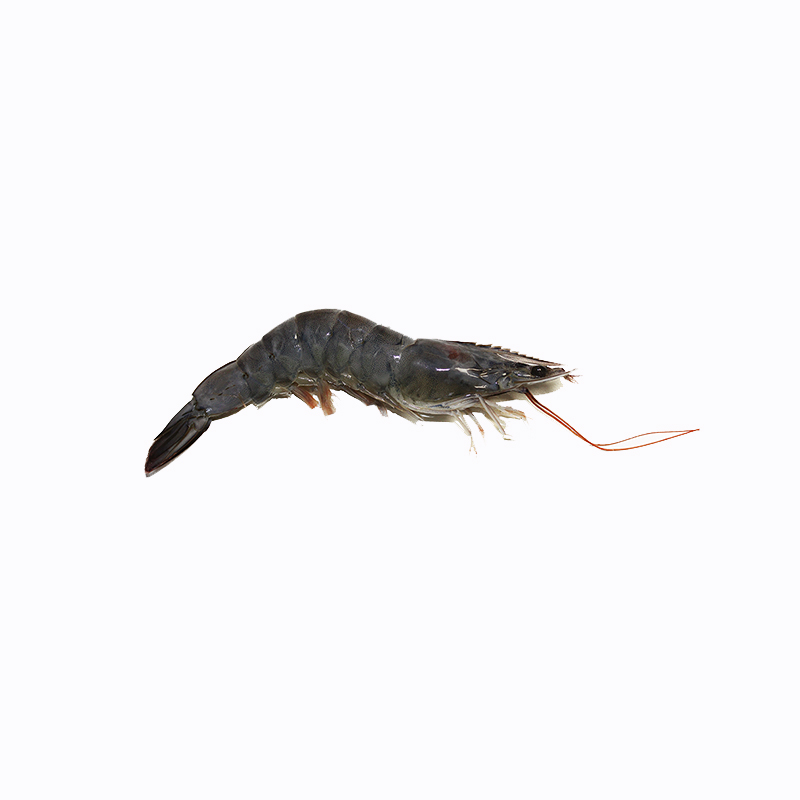
Cold-water prawns remain an issue. Any lower prices seen are likely to relate to pre-existing old season stock holdings. Any new shipments are at hugely inflated prices. The strength of Chinese demand sees processors and producers striving to sell their catches or purchases to the highest possible bidder. This is combined with a perfect storm of undersupply and over-demand with catches and quotas reduced globally. This could be a time to look at smaller grades of warmwater prawns where the market is in a much better position. Frozen white fish remains firm in price – although we may have hit a ceiling on cod and haddock. Pollock is the exception – where prices are surging – reflecting a market that has quickly adjusted to a much higher replacement-cost environment. The shortage of affordable whitefish, rather than an explosion in pollock demand itself, sees buyers who would normally buy cod, haddock, or hake increasingly switching to pollock – supporting price inflation. Within the frozen market more generally, supply challenges are affecting several major species simultaneously (mainly whitefish), while transport, labour, and energy costs remain elevated.

Download this market report

If you would like a PDF copy of our latest market report in the form of the 'Catch-Up', please download a copy via the button below.

Latest news from the seafood industry

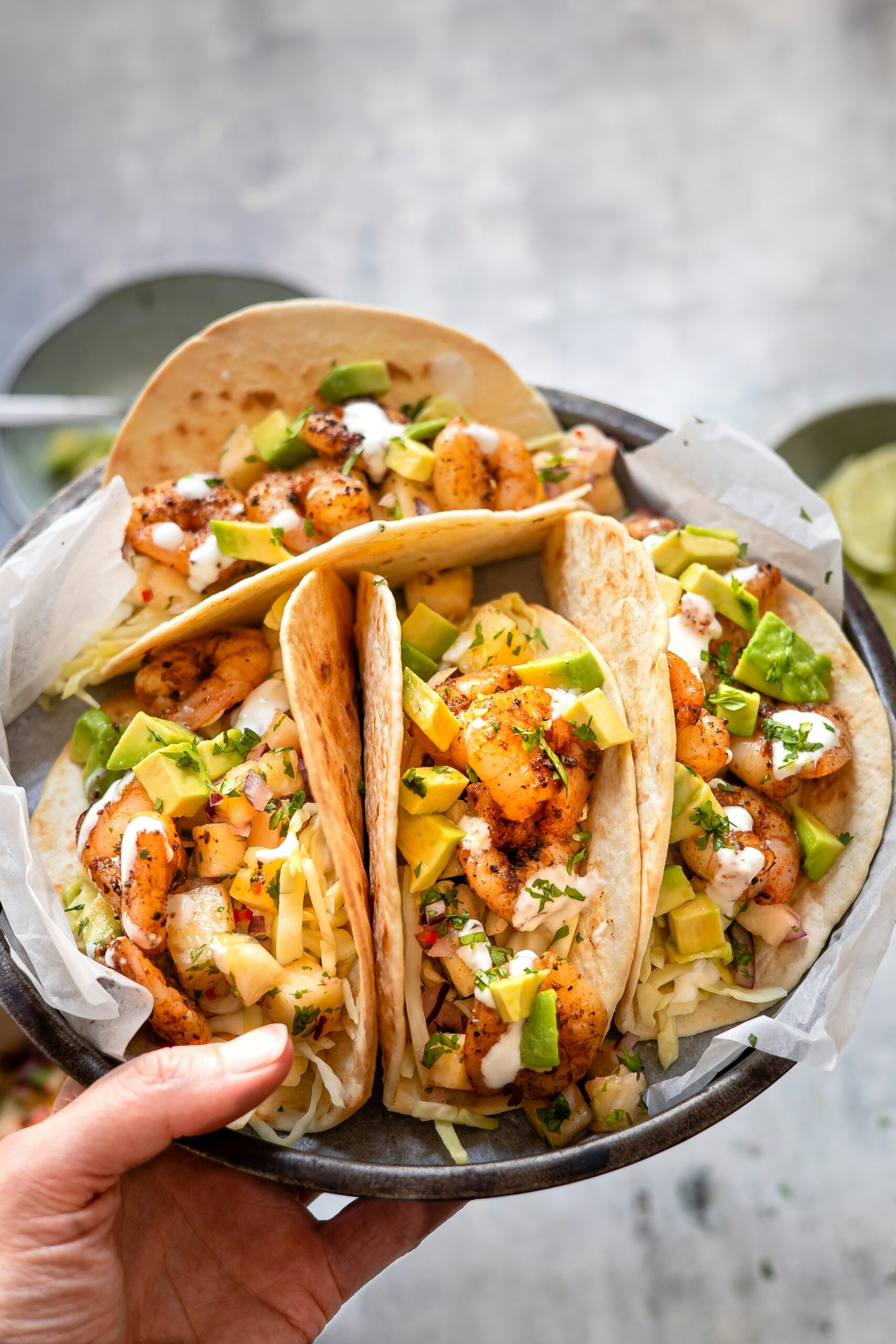
Fish Tacos

Street food inspired seafood offers a new route to growth for fish and chip shops

Chef-led recipe inspiration showcases how Norwegian whitefish can help fish and chip shops tap into the street-food trend as a route to growth, through simple, versatile formats that attract new customers and demonstrate value through menu innovation.

As the sector marks National Fish & Chip Day, Norwegian Seafood Council (NSC) says the growing influence of street food presents a clear growth opportunity for fish and chip shops, using chef-led Norwegian whitefish recipe inspiration to show how they can create bold specials and global flavour twists that build on the classic fish supper.

Source (full article) - fishfocus.co.uk
Ocean

Europe’s oceans reach record temperatures as marine heatwaves intensify

Europe experienced its highest sea surface temperatures on record in 2025, marking the fourth consecutive year of unprecedented ocean warming, according to the latest European State of the Climate report from Copernicus.

The findings highlight the accelerating impacts of climate change on European seas, with far-reaching consequences for marine ecosystems, biodiversity, fisheries, and coastal economies.

Source (full article) - fishfocus.co.uk
Tuna

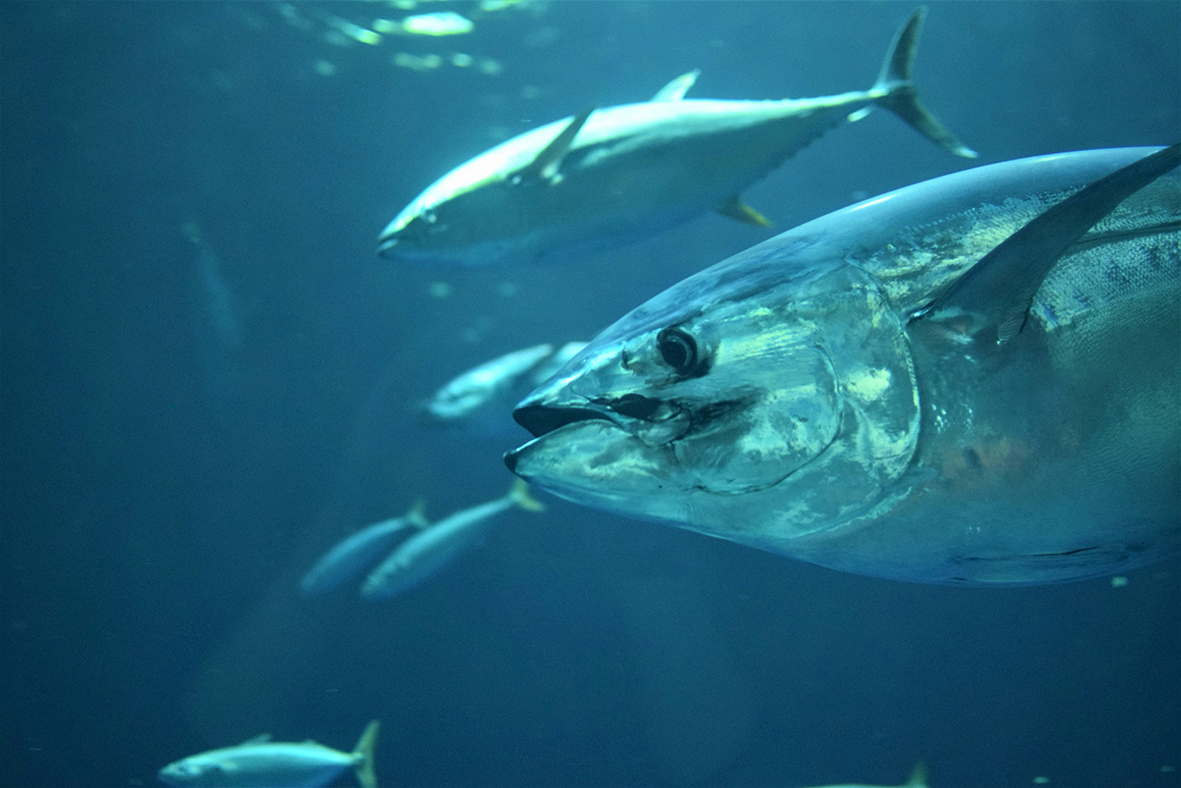
First bluefin tuna since 1939 caught and landed in the north sea

Anglers and conservationists are heralding the first bluefin tuna fish to be caught and landed in the North Sea for almost 90 years.

The huge fish, that weighed 746lbs (53sts) was landed at Whitby, North Yorks, the famous fishing port that was once a mecca for big game fishing in the 1950s

Whitby still holds the long-standing British record for a bluefin tuna on rod and line; a 851lbs monster caught in 1933.

Source (full article) - independent.co.uk
Halibut

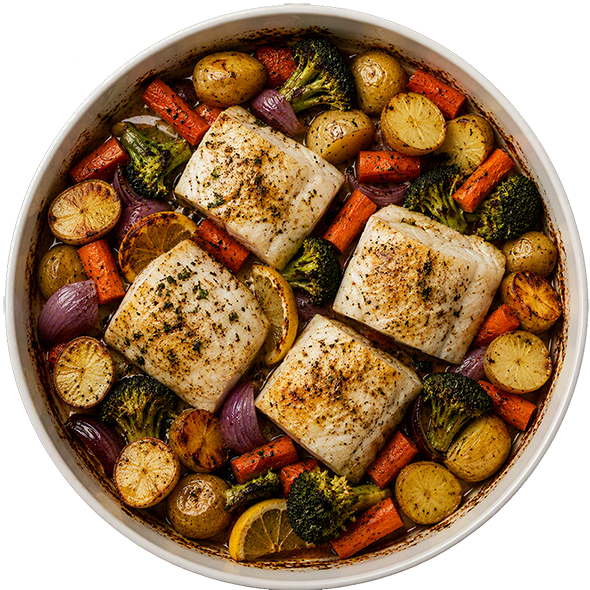
Recipe Corner | Oven Baked Halibut

Served with vegetables and potatoes

Halibut with its juicy fish meat is ideal for baking in the oven. Try one of our favourite dishes, halibut baked in the oven with vegetables, garlic and cream.

Source (full article) - fishfocus.co.uk
Octopus

Octopus bloom: We must “plan for a future where these changes may become more frequent”

The Marine Biological Association (MBA) has released new findings from the second major scientific study documenting an unprecedented surge, or “bloom”, of common octopus (Octopus vulgaris) off the southwest coast of the UK since 2025.

The event is the largest recorded in at least 75 years and according to researchers is likely linked to warming seas and wider changes in the marine environment.

The new report brings together scientific surveys, innovative underwater monitoring, and observations from recreational divers and snorkellers to better understand how, where and why this dramatic population increase occurred, and what it could mean for the future of UK coastal waters.

Source (full article) - fishfocus.co.uk
Insect protein

Insect protein drives fish meal replacement growth

For several decades now, fish meal has been central to the formulation of good quality feed. Due to its protein content and high palatability for farmed animals, it became known as a gold standard animal protein source.

However, given that the production of aquatic animals is steadily growing while the wild-caught anchovies, herrings, and sand eels are under increasing threats from overfishing and environmental impacts such as El Nino, one cannot help but ask a question: What will replace it? More and more often, the answer seems to be coming from insects.

With the advent of insect protein, which is produced from larvae of the BSF (Black Soldier Fly), mealworms, crickets, and grasshoppers, the concept of sustainable protein has transformed into a thriving business.

Insect products as fish feed have reached the hands of salmon farmers in Norway, shrimp farmers in Southeast Asia, broiler producers in Europe, and pet food manufacturers in North America.

Source (full article) - fishfocus.co.uk
Tagliatelle

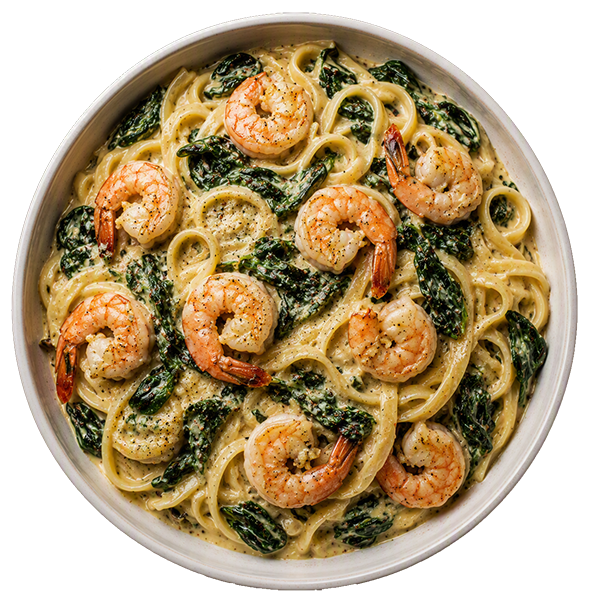
Recipe Corner | Prawn Tagliatelle

Creamy tagliatelle with prawns and spinach

Creamy, quick, and perfect for busy weeknights, this tagliatelle is an easy dinner the whole table will love. Juicy prawns and fresh spinach come together in a smooth, comforting sauce for a simple everyday meal that feels just a little extra without any extra effort.

Source (full article) - fishfocus.co.uk
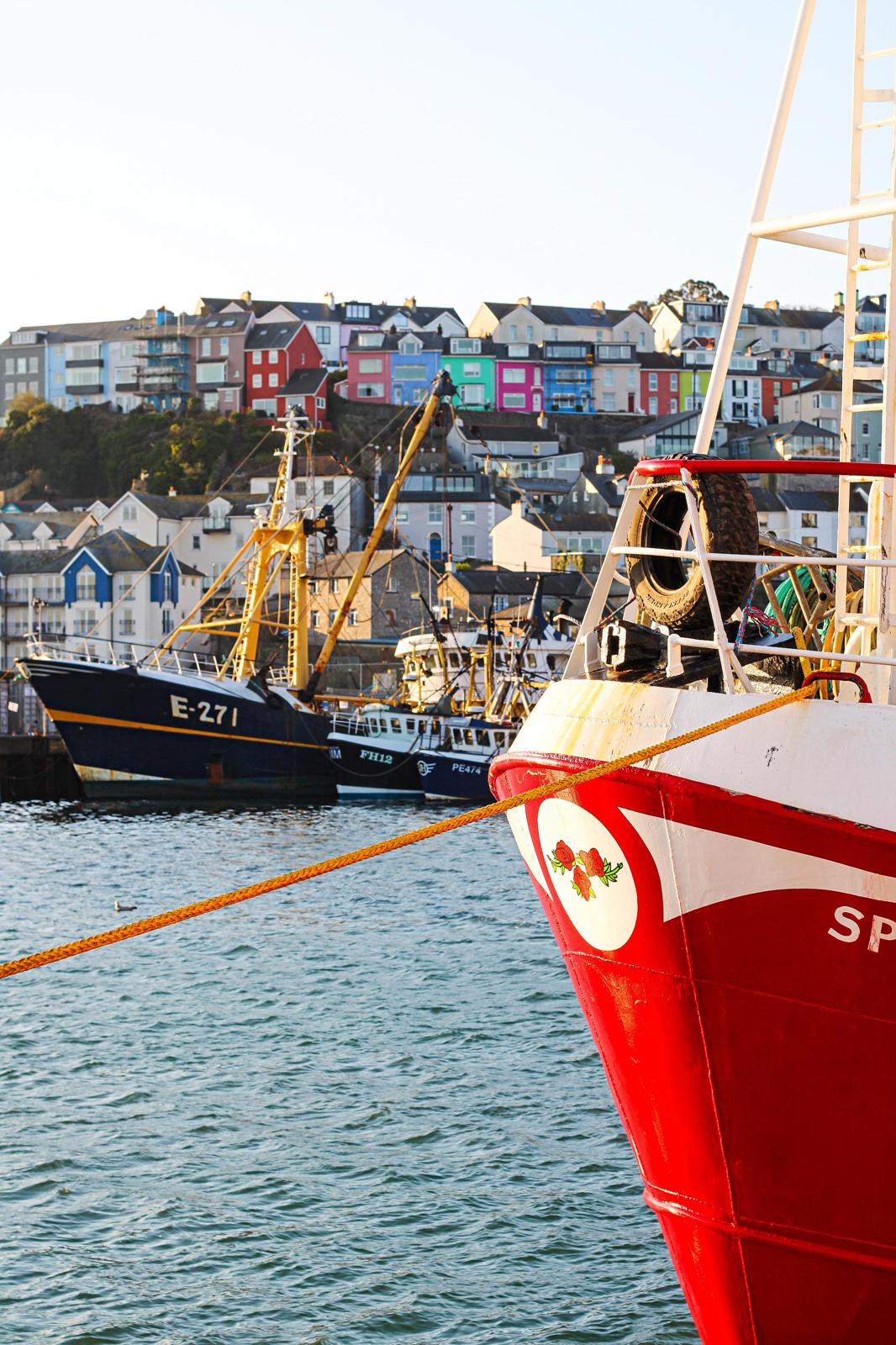
Brixham boats

Britain will celebrate national harvest of the sea for the first time

For centuries Britain has celebrated the harvest from the land. This autumn, for the first time, the nation will come together to celebrate the harvest of the sea.

On Sunday 11 October at 6.00 pm, Exeter Cathedral will host the inaugural National Harvest of the Sea – a landmark service recognising the fishermen and women, fishing families and coastal communities whose dedication has provided sustainable seafood to Britain for generations.

Source (full article) - fishfocus.co.uk
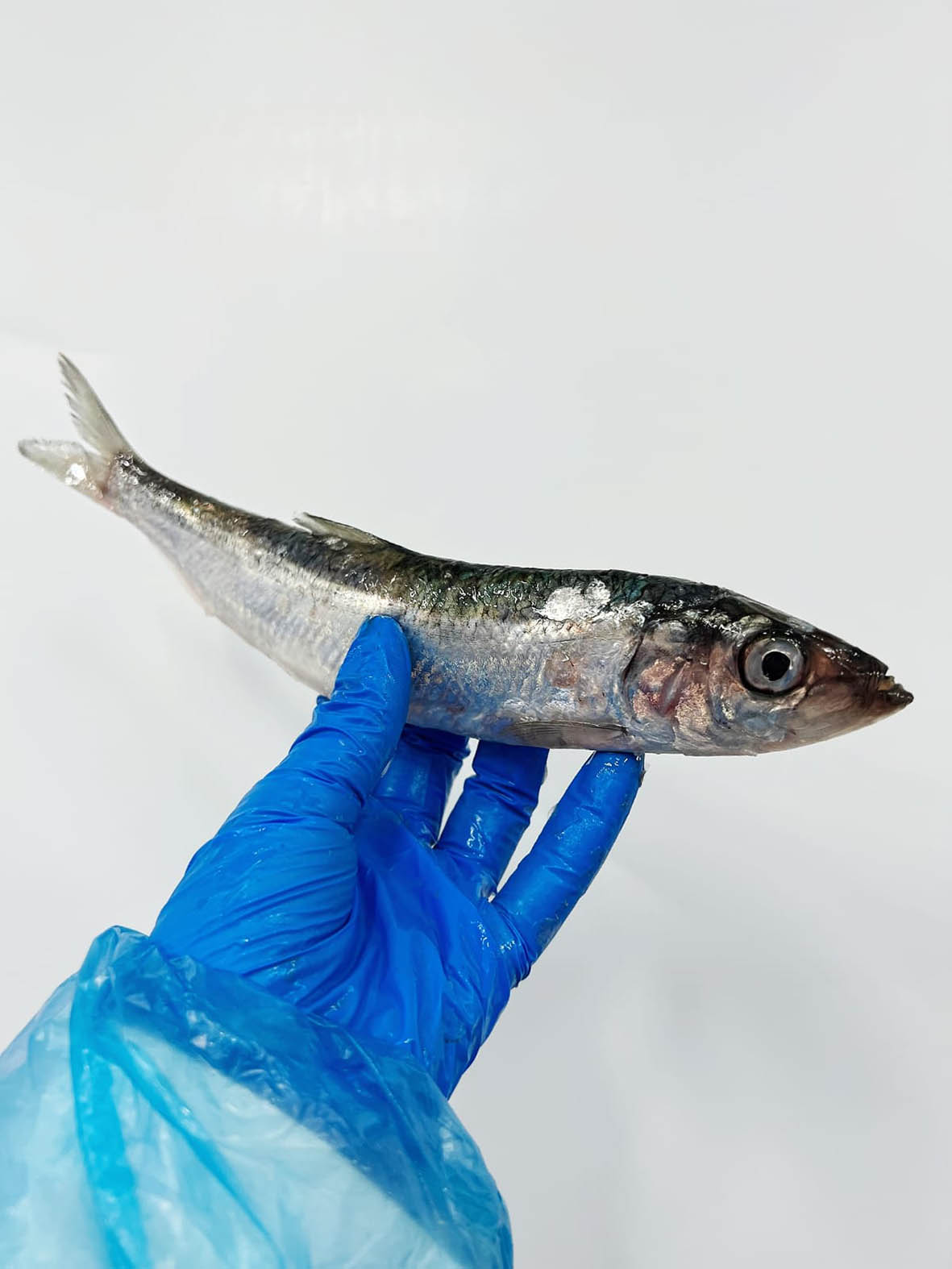
Herring

Fatty acid from herring may ease mild psoriasis

Laboratory tests on skin cells suggest that the fatty acid omega‑11 can dampen inflammation linked to psoriasis.

The results are promising, but the research has so far only been carried out in cells grown in the lab and not yet tested in people with psoriasis.

Psoriasis is a chronic inflammatory skin disease that causes red, scaly patches on the body. Fatty fish is now being explored as a possible way to help people with mild psoriasis. Substances in fatty fish have shown very positive effects in these laboratory studies.

“Our lab studies show a clearly positive effect. The next step will be to investigate whether these findings also apply to people with mild to moderate psoriasis. We look forward to exploring this further and hopefully collaborating with medical research groups in the field,” says Tone‑Kari Østbye.

Fish oil is more than omega‑3

Østbye is a senior scientist at the research institute Nofima and has many years of experience studying fat and fatty acid metabolism in fish. In recent years, she has become particularly interested in omega‑11, also called cetoleic acid.

Source (full article) - fishfocus.co.uk
Filleters

Master Fishmonger Standard gathers momentum as independent seafood sales grow

Julie Waites, Programme Lead for the Master Fishmonger Standard (MFS), outlines why rising seafood sales are creating new opportunities for skilled fishmongers and the continued development of the profession.

Independent fishmongers are enjoying encouraging growth, with the latest market data pointing to increasing consumer demand for high-quality seafood and specialist retail expertise.

According to the NSC UK Retail Report 2026 (Kantar MAT to June 2025), annual seafood sales through independent fishmongers are now worth £50.4 million. The sector has recorded a 1% increase in value, while sales volume has grown by 3%, with seafood penetration rising to 2.6%.

These figures reflect a positive trend for independent retailers, suggesting more consumers are recognising the value of buying seafood from knowledgeable specialists who can offer quality, provenance and expert advice.

Source (full article) - fishfocus.co.uk
Baked Coley

Recipe Corner | Baked Coley

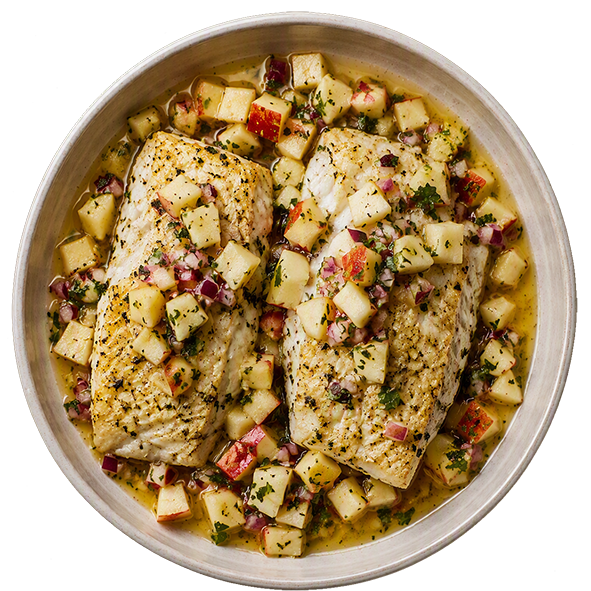
Baked saithe with apple vinaigrette.

Baked saithe – crispy and golden brown on the outside, juicy and tasty on the inside.

Source (full article) - fishfocus.co.uk

Have questions about the autumn 2026 market report?

Please contact your local Direct Seafoods depot with any seafood queries, and for information on daily landings, new products or assistance with menu planning.

You may also be interested in...

Market Reports

Summer Market Report 2026

Our summer Catch-Up is available now providing fish market information.

Market Reports

Spring Market Report 2026

Our market report has some great advice as to what is sustainable and ideal for your menus.

Four blue netted bags containing mussels surrounded by ice.

Market Reports

Winter Market Report 2025

Our winter Catch-Up is available now, providing fish market information including seasonal updates.