Our summer market report provides the latest information on all the main fish and seafood species.

Summary

View seasonal updates on all the farmed and wild species of fish and shellfish, along with info on deli lines and a selection of the latest industry stories from around the world.

Page contents

Buyer recommendations

Good picks from buyers this season include:

Fish market report

Fish market report overview

Plus Icon

Welcome to the summer 2026 newsletter, which aims to cover the June to August period for the supply of fresh and frozen fish and seafood. The hospitality industry continues to struggle under acute cost pressure – a challenge that is also being felt throughout the supply chain. If it were not enough to contend with spiralling utility and labour costs in addition to increases in rent and rates, there is now political unrest in the middle east. The conflict has caused diesel prices to rise by over 30% which impacts all areas of distribution. There have been reports of boats tying up due to fuel costs becoming prohibitively expensive. In our business, we continue to take steps to mitigate the effects, and we encourage all customers to talk to their account managers to discuss ways in which we they can take advantage of increased efficiency in our supply model.

The spring Marine Conservation Society (MCS) ratings review has seen various significant changes that will affect choices for menus over the summer and autumn. The most critical is the downgrading of all North Atlantic mackerel to a default 5 rating. Though the problem of sharing the ICES (International Council for the Exploration of the Sea) recommended TAC (Total allowable catch) has been growing over a number of years, it has now been recognised as critical. This is why the MCS has reacted so severely. This news has been widely publicised, and many retailers and food service businesses are removing mackerel from their listings. This is a direction we recommend customers take to allow stocks to replenish.

Another extremely popular and important species that has faced significant downgrading to either 4 or 5 ratings is Atlantic cod. There are now very few fisheries that remain with a 1-3 rating, the main one being the Icelandic MSC certified fishery from where our fresh cod originates. In more bad news for white fish, west country whiting is now default red rated, although it is still possible to source North Sea MSC (Marine Stewardship Council) certified fish, in addition to Scottish whiting that remain either a 2 or 3 rating respectively.

However, do not despair! There is also some positive news in the new spring ratings. Indian Ocean yellowfin tuna has long been rated a 5. This has been due to poor management, and relevant countries far exceeding the scientifically recommended catch advice. Finally, the relevant fisheries have now seen sense and are following the guidance given by the IOTC (Indian Ocean Tuna Commission – the intergovernmental organisation responsible for tuna management in the Indian Ocean). This ever-popular fish can now go back on menus as it will be rated either 2 or 3 depending on exact fishing methods. This is a great example of a recovering fishery when proper measures are put in place.

One new entry to the MCS ratings as an alternative to North Atlantic mackerel is MSC certified Chilean mackerel which will have an MCS 1 rating. We are currently investigating whether this can be a suitable replacement for our much-loved local species. We are also delighted that an old favourite of the chippy will be back in favour. Rock salmon (more commonly known as dog fish), is now rated MCS 3 and is readily available from several UK fisheries. Please ensure you only source the correct species – Spurdog (squalus acanthias) – which makes for great fish and chips.

Finally great news for shellfish lovers. You may have seen from previous updates that some of our brilliant gear technologists have developed a new non-invasive fishing method to catch one of our most popular shellfish – scallops. In the past scallop fishing has usually involved dredging (one of the least sustainable fishing methods) or hand diving (one of the most labour intensive, and therefore expensive). Now we have DISCO scallops – a non-invasive method that is increasingly popular with several fishermen around the country and is much more environmentally friendly. MCS have rated these a 3 so definitely worth looking out for.

It is time to get creative with menus to differentiate from the usual suspects and to support sustainable fisheries. Talk to your account manager for inspiration. Also, please ask about our brilliant new tartare sauce mix to accompany your fish and chip offering. Wishing you all a sun filled summer with al fresco dining driving footfall, and some lesser-known species on your menus during the World Cup!

Natalie Hudd, Director of Sales, Direct Seafoods.

Disclaimer – the market report is a guide using information from our buyers who have a wealth of experience. Other influences still effect greatly the market place, weather, seasonal changes, supply and demand in retail and catering alongside exchanges rates.

Farmed fish

Sea Bass and Gilthead Bream

Plus Icon

We are hopeful that we have reached the peak of pricing on both species. Biomass levels should be stable, but the farmers are expecting juvenile stock to suffer mortality over the summer with anticipated higher sea temperature levels. Despite environmental risks, supply forecasts remain stable due to effective sourcing and distribution strategies. We expect a more stable outlook, but please note that any increase in fuel surcharge could affect the price in the future. Both bass and bream are popular on the continent during the holiday season due to their suitability in summer dishes. Either species can be stuffed with fresh herbs and lemon, then roasted over a bed of sweet cherry tomatoes, garlic, and new potatoes.

Salmon

Plus Icon

It has been another unpredictable year for salmon. The current expectation is that price recovery will be more restrained, and this contradicts what was indicated at the end of 2025 where analysts predicted that 2026 prices would rise to their highest average level on record. Instead, prices have oscillated up and down to variable degrees. Several factors have been at play. The demand from the USA has reduced due to the high tariffs implemented. The upshot is that salmon then struggles to compete with other core proteins. Combine this with increased supply from emerging producers, and the supply shortage we often see during the spring is alleviated. High fuel prices due to the conflict in the Middle East, combined with increased available export volumes from Chile (the world’s second largest salmon producer) have had a price cooling effect. Conversely, China is demonstrating increased demand for salmon. Whilst the medium to long term outlook is uncertain, we anticipate that prices will be lower over the summer months, and this makes this menu staple a great choice for the summer.

Trout

Plus Icon

UK trout prices have risen due to increased fuel prices affecting the transport rates. Sea reared trout, being the closest alternative to salmon, is expected to reduce in price to compete. Talk to your account manager about our Norwegian Mountain trout and char. Norwegian Mountain trout is a premium fish known for its delicate flavour and bright red colour. The species is brown trout (salmon trutta) which used to have a distinct season for wild fish in the UK. Wild is rarely seen in sufficient quantities to add to menus, so it is fantastic that we have a farmed alternative. Raised in the crystal-clear waters of lake Sirdal in Norway, they are also ASC certified. Mountain Char is a premium fish known for its delicate flavour and cold-water origin. The char is raised in the crystal-clear lake Fyresvatn in Telemark. Another great alternative to our more commonly seen trout. Any demand we can develop for these fish will enable us to start offering on a regular basis.

Halibut

Plus Icon

Prices have increased because of an inflation in the logistics cost. However, if the fuel cost lowers again, then we would expect the cost to lower. One of the major Norwegian farmers have reported that their output between January and March increased by 10% compared to the same period in 2025. This improvement in production, in addition to the farm achieving a higher average fish weight, bodes well for availability in forthcoming months. Whilst we need to consider that some farms close for maintenance in August, we do not expect any major supply issues.

Other farmed species

Plus Icon

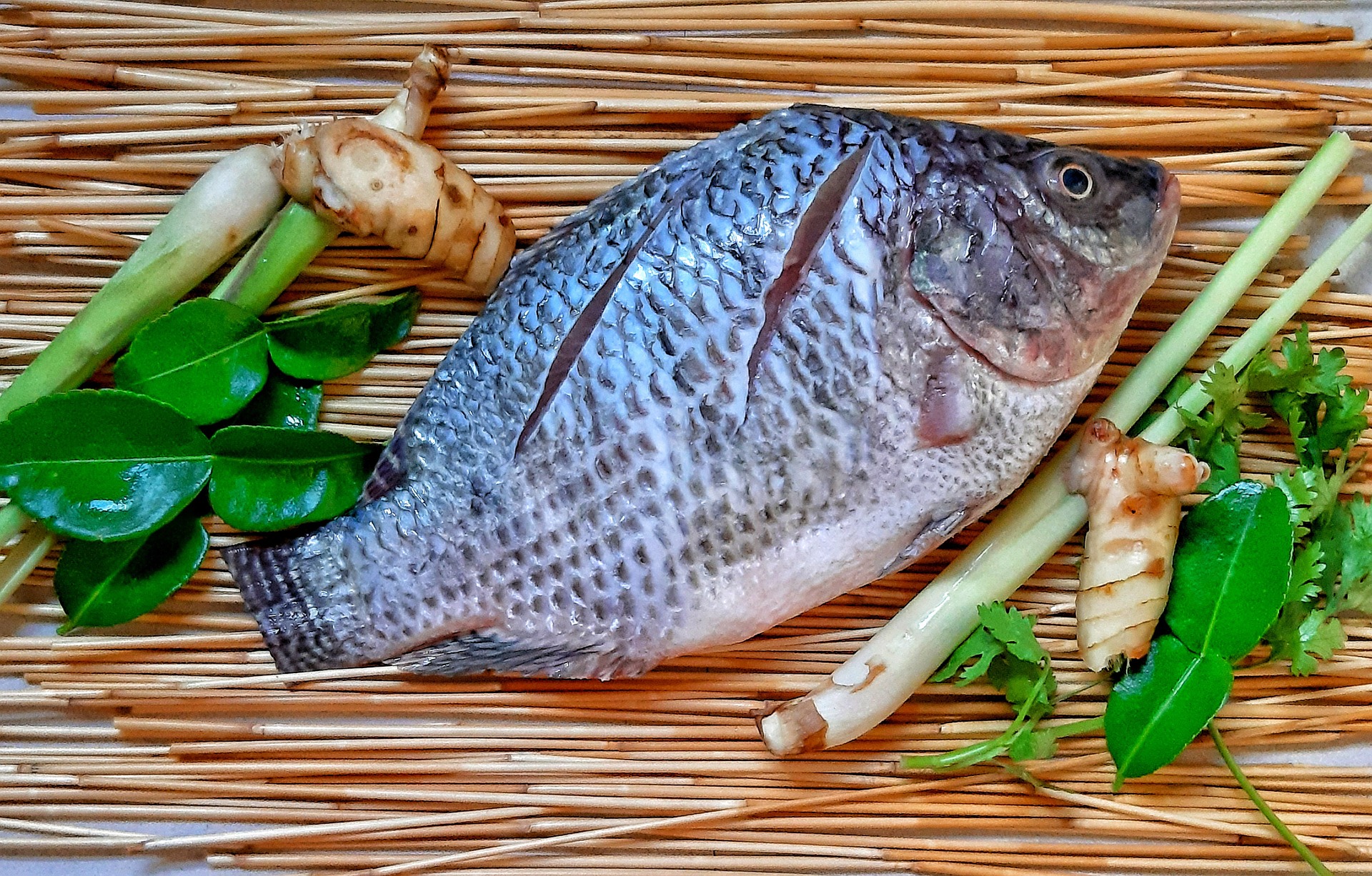
Meagre prices have been stable, so should represent a good option for the summer. Farmed turbot prices remain high. Supply levels will be consistent, but these fish will not represent the best value. We are now stocking ASC certified tilapia which we strongly advise customers to consider. Free from additives, fish are farmed in large natural lakes and use less than 1 % of the lake in terms of surface area. Plant-based floating food protects the lake’s ecosystem and the wild fish population and has the additional benefit that the fish do not have the muddy taste usually associated with bottom feeding fish. It’s tilapia, but not as you know it! We really recommend you try this – particularly given spiralling white fish costs. This is a great, versatile, and sustainable alternative.

Wild fish

Flat fish

Plus Icon

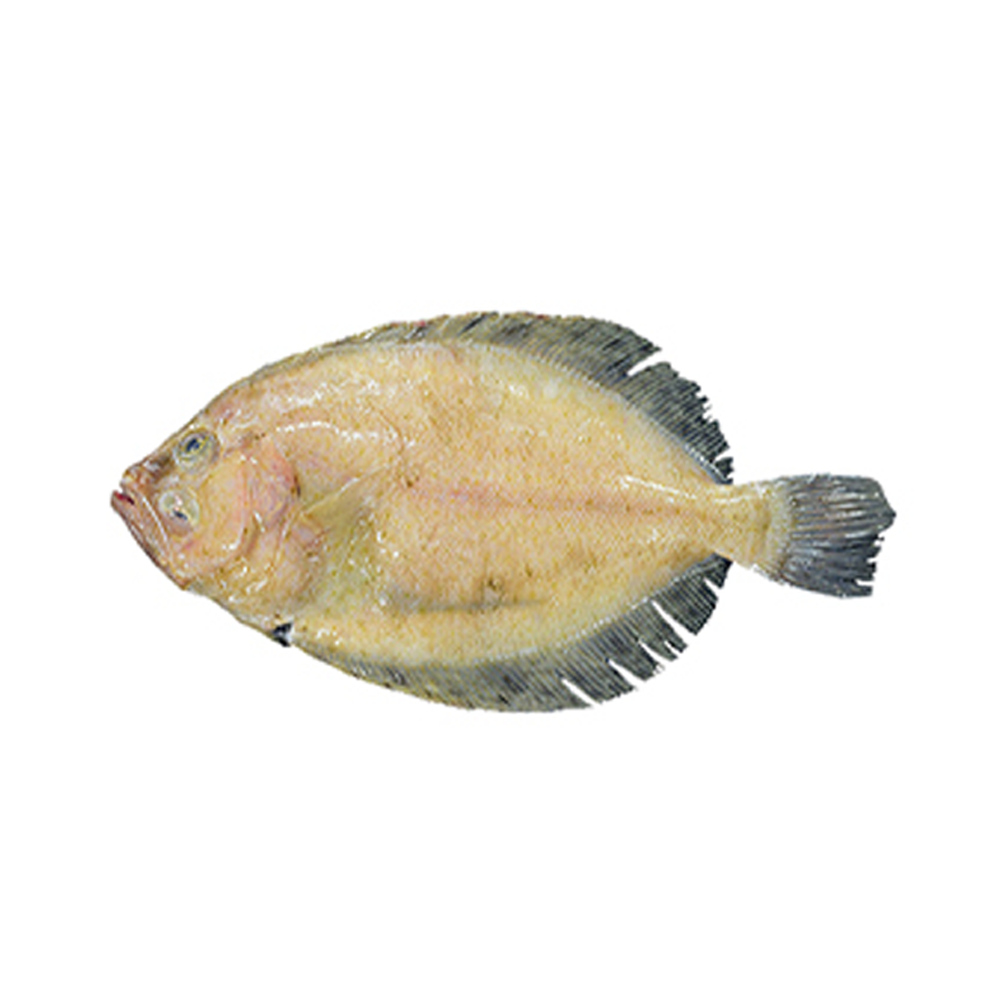
Summer is the best season for our native flat fish species. Lemon sole landings in the UK should begin to improve with better weather conditions for fishing. Plaice will be in full season, so we expect landings of good quality fish to increase. Fillet yields will be improved now that the spawning season is over. Dover soles spawn April to June, so one to avoid until July to give the fish time to reproduce. Once they move offshore after spawning, we expect price to rise due to scarcity. Brill and turbot will be in season throughout the summer, and we typically see prices dropping on turbot – although this king of fish will still be at the higher end of the price scale. Megrim, or Cornish soles, will now be in season until the end of the year. Megrims have been described as a flat version of a bass. Pale in colour, they have delicious tender meat and are at a great price point. One to try on the specials board.

White fish

Plus Icon

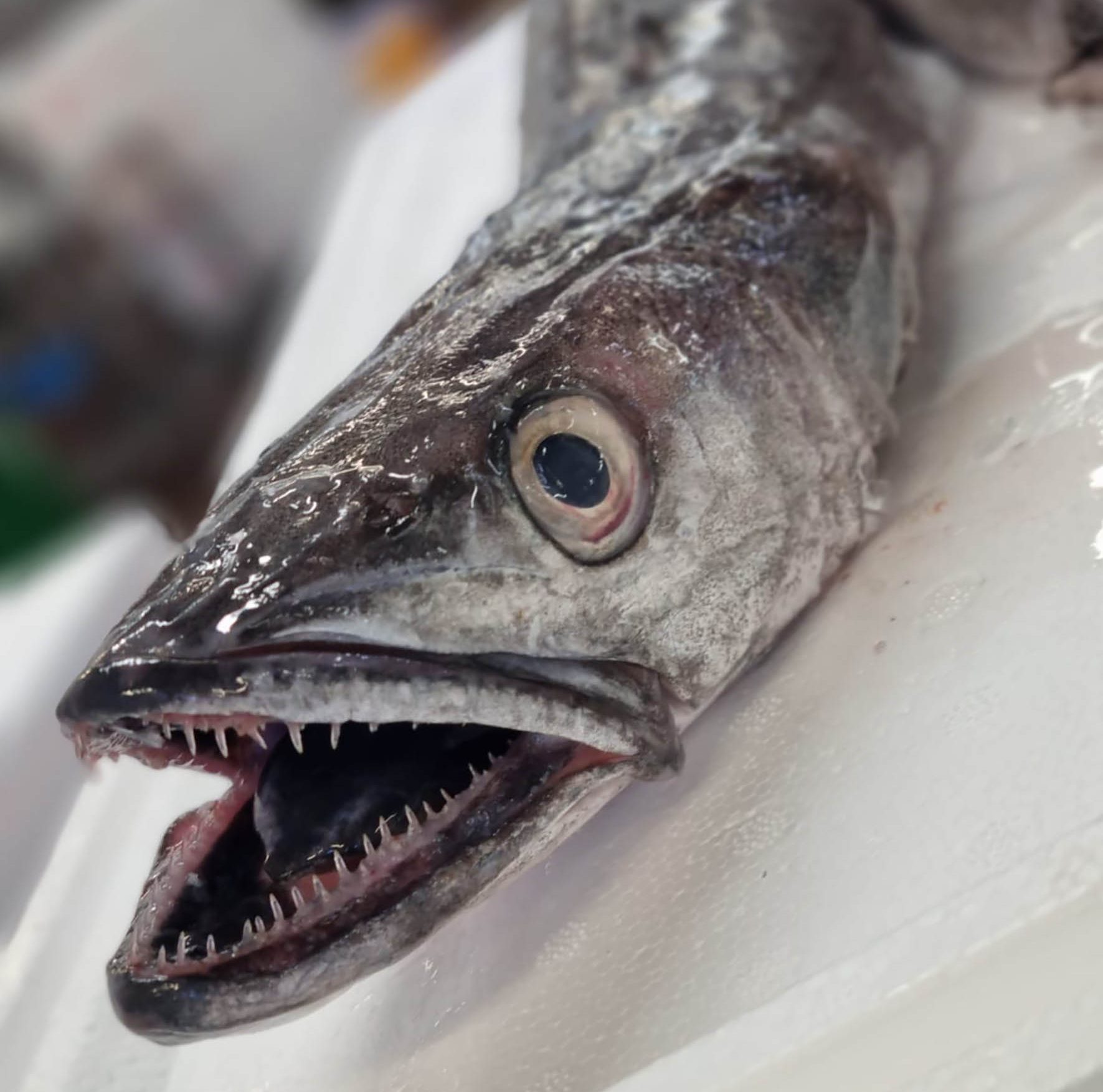
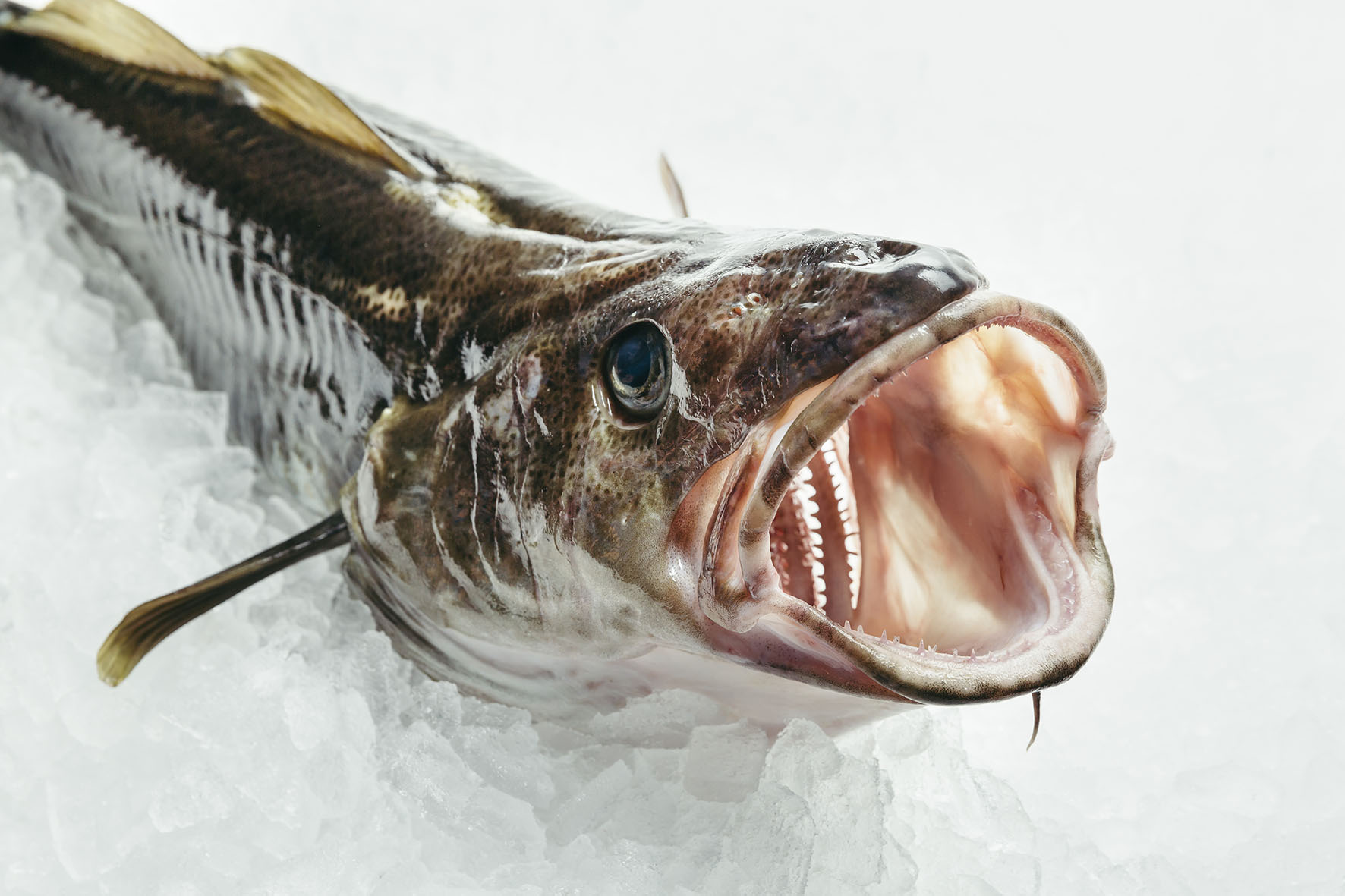
The recent news that Atlantic cod has faced a significant downgrade to either MCS 4 or 5 ratings means that there are now very few fisheries that remain with a 1-3 rating. The main sustainable fishery is Iceland which is MSC certified. North Sea cod has had a particularly bad press, but given it usually sells at a premium (10%-15% higher than Icelandic), producers say it is only a matter of time before Iceland cod reaches the same levels. Prices remain remarkably high, and we are yet to understand the nature of any changes in the Iceland quota (starting 1st of September). We are seeing continued significant demand for the smaller cod fillets as operators reduce portion size to avoid removing cod from menus. Consequently, the smaller sizes continue to rise in price. A reduction in fishing effort over the Easter period saw some of the highest prices on record for haddock. Fortunately, there has been some easing and yields should improve in June. Be aware that Icelandic quota typically ends in July, so there could be challenges in cod and haddock supply levels during August. Demand for coley because of the white fish shortage has seen market prices rising sharply. Large fillets are now fetching the same price that we paid for cod a few years ago. Whilst it remains a hard sell due to customer perception, this is a cost-effective alternative to cod and haddock in the current climate. Hake can be a highly volatile “feast or famine” species. We would expect prices to average lower over the summer months, but we have seen some spikes of late. Keep in touch with your account manager over landings as there could be some deals to be had when the weather is conducive to fishing efforts.

Round fish

Plus Icon

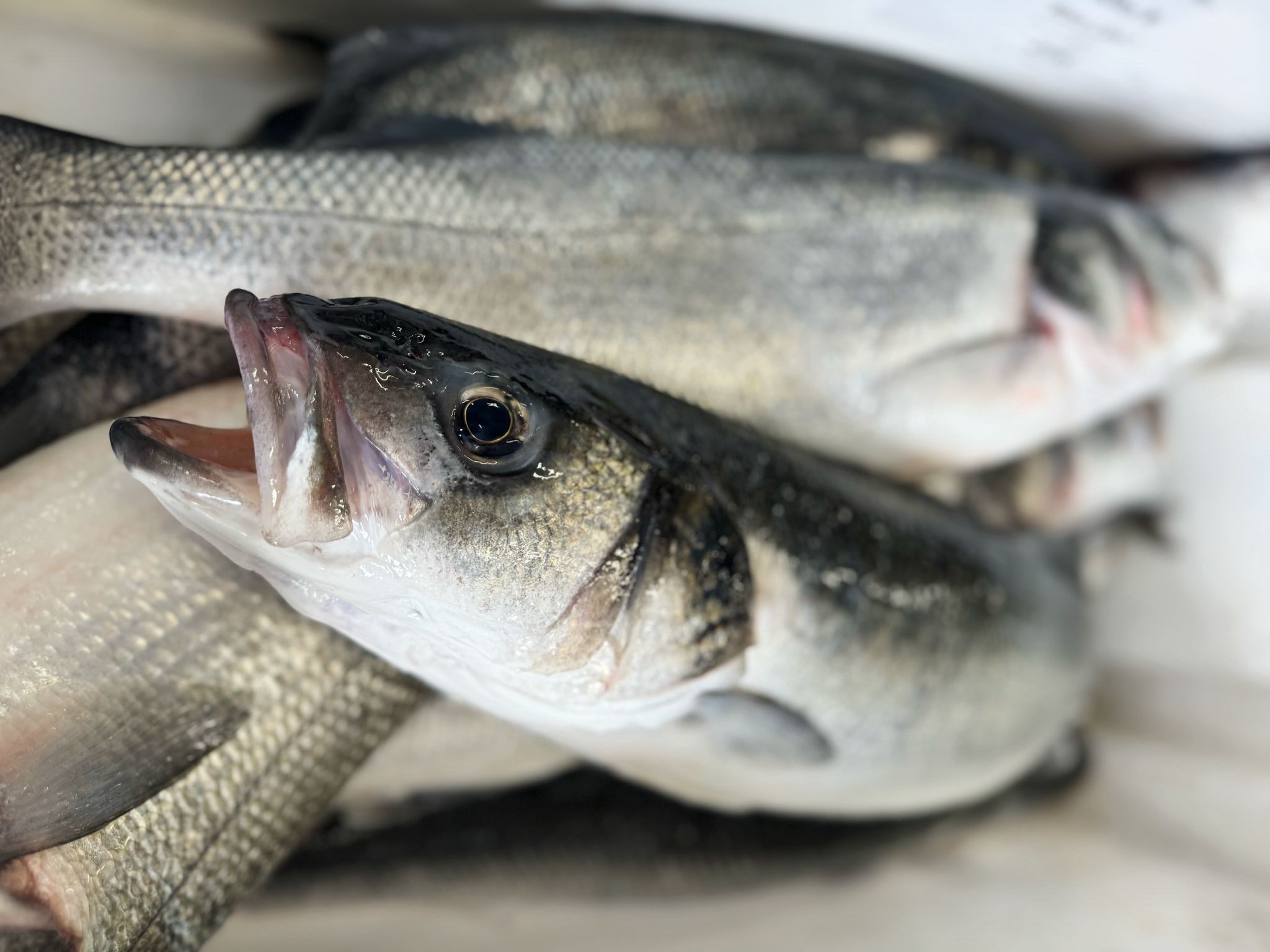
South coast monkfish commands higher prices, and we rely on the cheaper Scottish or Grimsby availability to lower the average cost. Landings would usually improve over the summer, but current price levels have been high and are a concern. Demand from the continent over the summer could keep prices buoyant, but we would hope that we will start to see some easing in due course. We are not recommending mackerel due to the MCS 5 rating. We advise customers to use alternative species such as sardines or herrings, although we are expecting price increases on both due to the likelihood of demand increasing. The Cornish sardine season will start in July, and these will be a fantastic summer choice – roasted with a summer salad or served with a garlic and herb crust. The 2026 commercial fishing ban for wild sea bass finished at the end of March so we are happy to advise that these are now a good choice for your menu. Wild sea bass has been a winning premium dish for years, so we are confident your customers will love to see this as an option again.

Cephalopods

Plus Icon

Despite the considerable of volumes of octopus and squid presenting around the UK coastline, there are still no changes in the MCS ratings for our much-loved cephalopods. MSC certified squid and octopus remain the most sustainable choice.

Exotics

Plus Icon

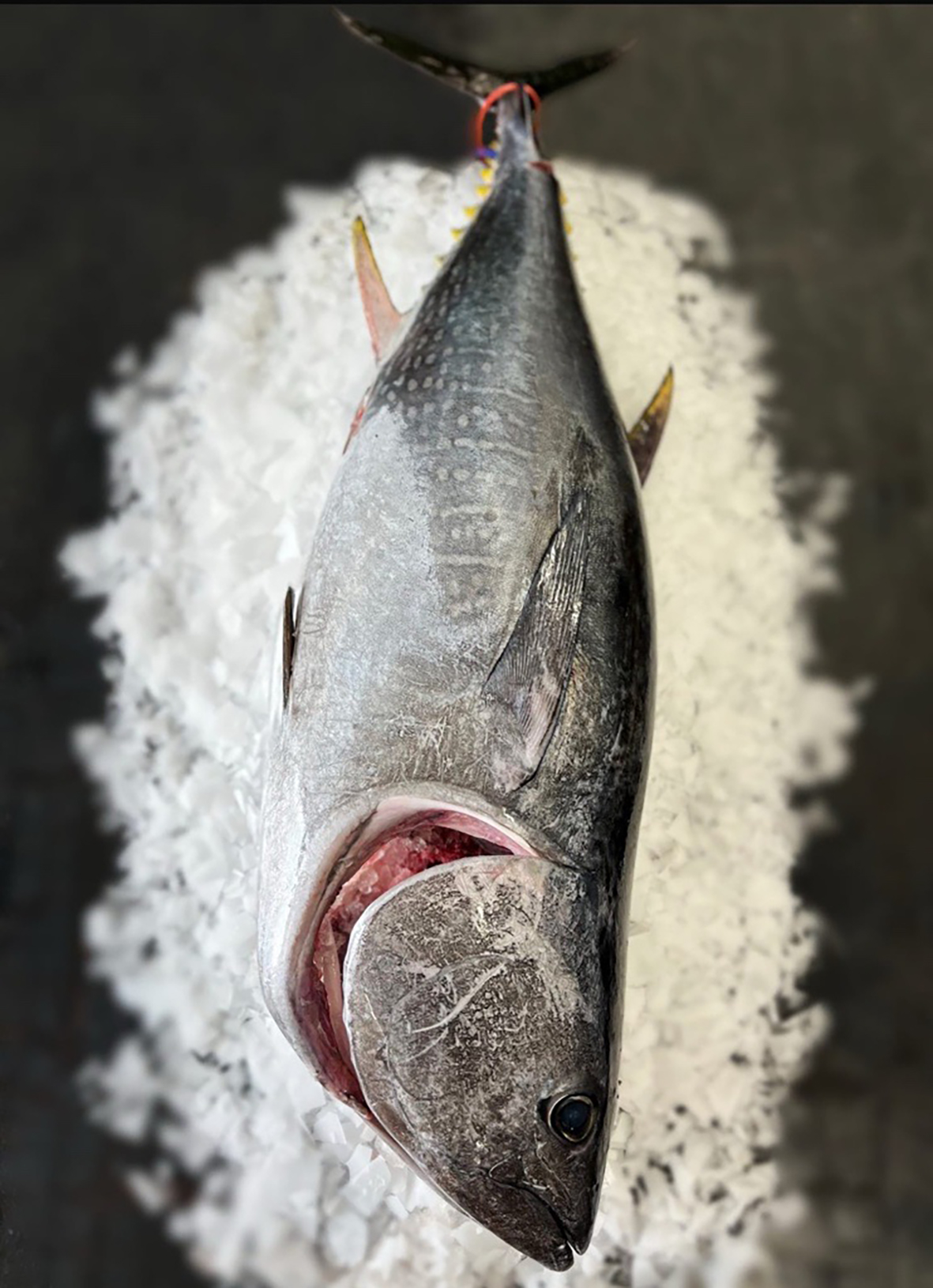
There is an expectation that fresh tuna and swordfish prices will rise through the summer months. This is a result of increased demand during the holiday season, inflation in airfreight costs combined with unstable currency, and fuel increases. Sri Lanka has two main monsoon seasons affecting fishing effort. The monsoon brings rain to the southwest (May to September/October), with the heaviest rain from May to July. Mitigation against the above factors is available by using refreshed tuna and sword which we expect will remain stable. It is excellent news that yellowfin tuna has an improved MCS rating. Tuna popularity is surging with the ever-growing demand for sushi and sashimi.

Shellfish

Plus Icon

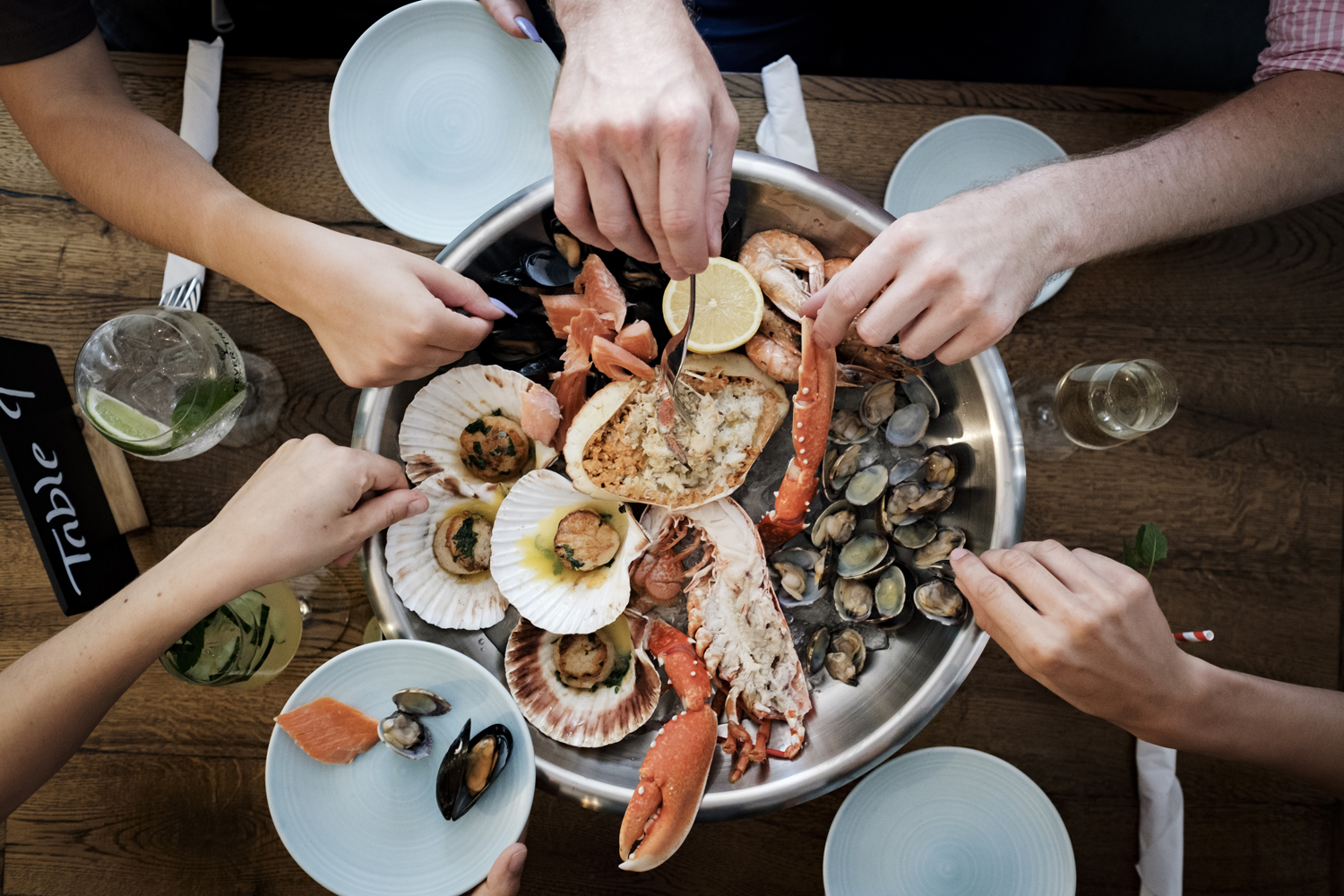
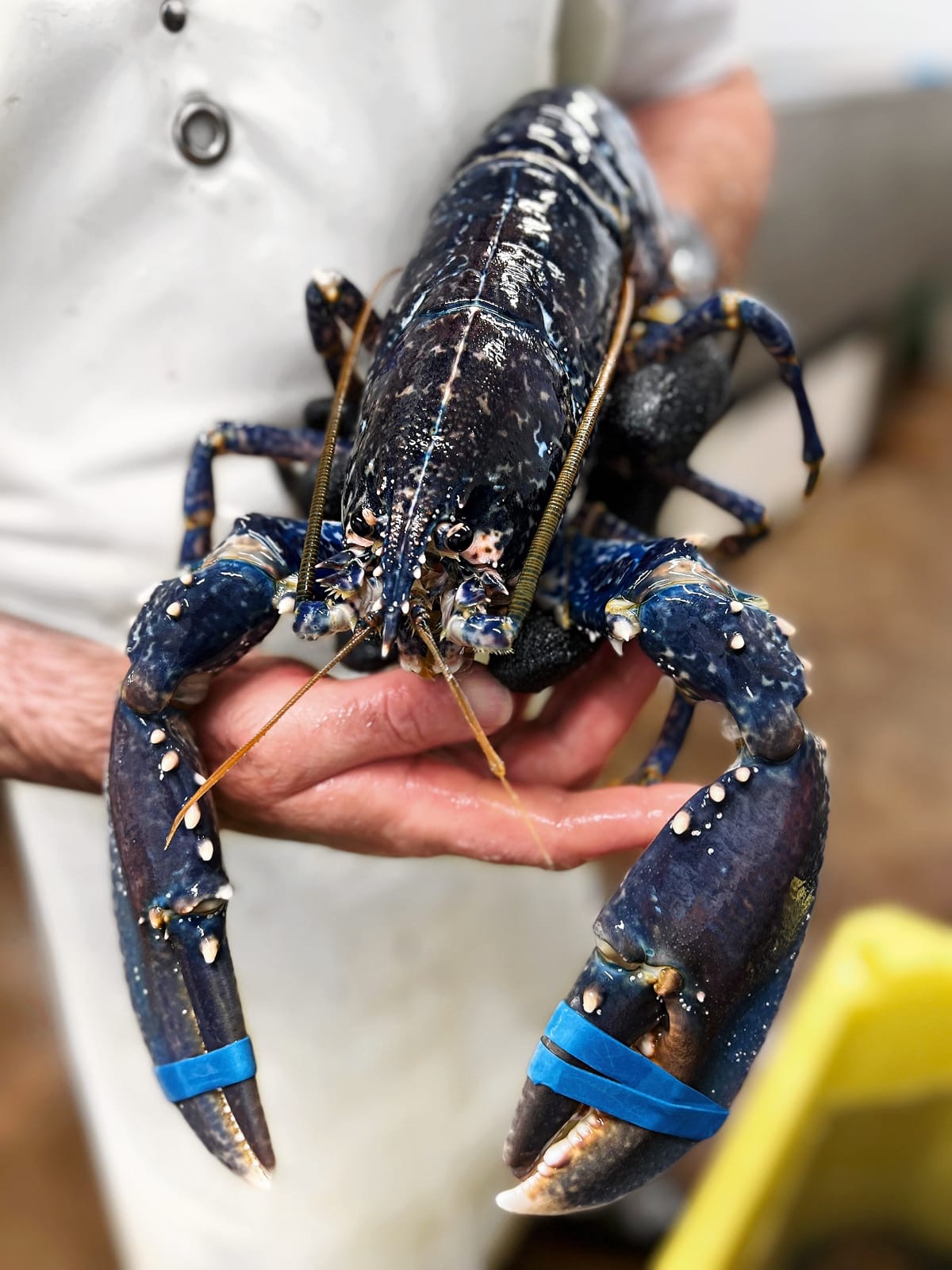
The Canadian lobster season began at the end of April. Lower prices are now expected to start materialising, although the forecast is uncertain based on what how the USA interacts with Canada and China as China is their largest market. Native lobster should also start to present around our UK coastline in earnest as the waters warm up. Summer is the best season for both origins, so now is the time to put on the menu. The MSC certified Poole fishery season for clams is now underway. Whilst the warmer weather can weaken these bivalves, the price should lower as yields are likely to increase. Mussels are now out of season as the spawning season is well underway. This will last throughout the summer months, with a gradual return to best quality through September when the water typically cools. During this time, mussels have a much shorter shelf life and experience more water loss. This affects the way they cook and weigh. This is why we always advise avoiding them during the summer months as they are, quite simply, out of season and not good quality. If you must use mussels during the summer months, we advise handling with extra care. Do not change the storage temperature too quickly and do not immerse them in water. The USA scallop season begins in June, and there is an expected 20% quota cut. All fishing last season has indicated much smaller sizes are being caught. 20–30 count sizes are most viable amid limited supply. The US is currently the only significant origin providing meaningful scallop supply to the market, so the situation does not look likely to improve unless we see a significant shift in landings. Native scallop supply should be less troublesome. Spawning does occur in the warmer months, so some deterioration in quality could be expected. Crab should be running well over the summer period, but for those sustainability conscious operators, there are concerns with a number of origins, and it is a challenge to only source from MCS 3 rated areas.

Smoked, deli and frozen fish

Smoked fish

Plus Icon

Smoked salmon should be at its most cost effective in the summer given that this is the time at which we would expect whole fish to be more economically priced. Our only caveat is that, given the processed (and labour intensive) nature of the product, factory costs are a key part of the end price. This means that any smoked fish reductions may not correlate absolutely with the fresh price. However, it is a great time of year to get some summer appropriate cures on the menu – such as orange and tarragon or gin and tonic. We are running a promotion on hot smoked sea reared trout and hot smoked sea reared trout pâté with lemon, horseradish & parsley until the end of June. We recommend you take advantage before this ends. Smoked haddock prices have been higher in recent months because of the inflation in raw material cost. We would expect some easing over the summer, but we do not expect this to be significant given the challenges with availability of white fish globally.

Deli

Plus Icon

The cold-water prawn market is under immense pressure with quota cuts affecting available volume. This means that the price of prawns in brine is rising, and we expect a continuation of this trajectory with no relief on the horizon. There is a more positive outlook on crayfish raw material, and some marginal decreases are anticipated. Most other deli lines are estimated to be stable in price with fluctuations likely to be determined by logistic cost or currency fluctuation.

Frozen fish & seafood

Plus Icon

There are several key movements in frozen lines. Breaded and battered lines, including fish cakes, are increasing as the annual price review has concluded. This is driven by the global whitefish scenario, combined with increased processing costs. Pollock prices are on the increase due to rapidly escalating costs at origin. The expectation is that prices are going to continue to rise sharply. Pollock is now a substitute for other white fish species and plays an important part of retail breaded and battered offerings. Cold-water prawn prices are going to rise rapidly. Reasoning for this include the biomass (availability) which is driven by a circa 30% reduction in Barents Sea catches and significantly lower catches in Greenland regions. This has reduced raw material supply for processors and helped push prices higher. Some Icelandic area catch advice was set to zero for 2025/2026. These quotas are scientifically driven. Lower catch-volume leads to absence of sufficient data which leads to uncertainties in expected biomass. This uncertainty results in more conservative advice and quotas. The low availability has gradually increased prices since Q2/Q3 2025. Going into 2026, stock has started to run on empty, dropping available material even further and causing a spike in price. Conservatively, even if the biomass will recover in 2026, market supply will be constrained by reduced quotas. Some indications are for circa 40% increases in cost price. One to avoid. Keep in touch with your account manager to see what alternative options we can offer.

Download this market report

If you would like a PDF copy of our latest market report in the form of the 'Catch-Up', please download a copy via the button below.

Latest news from the seafood industry

Seafood sharing platter

Two serves of seafood per week can save your life

Eating seafood just twice a week could dramatically cut the risk of some of Australia’s biggest killers, according to major new research, with experts now urging Australians to adopt a simple habit called Two4Life.

The findings, drawn from the most comprehensive independent review of seafood and human health ever conducted, show that two serves a week can cut cardiovascular disease risk by 30%, reduce Alzheimer’s risk by 30% and lower dementia risk by 10%.The year-on-year growth for salmon was almost double the 3.7 per cent rise recorded across the wider fish category.

Source (full article) - fishfocus.co.uk
Fresh hake

Cornish hake fishery celebrated for leading the way on sustainable fishing

The Cornish hake fishery is celebrating after once again being certified to the Marine Stewardship Council’s (MSC) sustainability standards, the third time across more than 10 years of being recognised for its leading efforts in fishing sustainably.

The fleet, that fishes out of Newlyn and is managed by the Cornish Fish Producers Organisation (CFPO), has experienced larger catches, higher prices, improved market access and a boost to its reputation since its first MSC certification back in 2015.

Source (full article) - fishfocus.co.uk

Recipe Corner | Spicy salad with salmon

Thai inspired

Enjoy this healthy and tasty Thai inspired salad with salmon as a nice lunch or a light, fresh dinner.

Source (full article) - fishfocus.co.uk
Close up image of an open mouthed sea bass surrounded by a blurred background of sea bass.

Significant opportunity for seafood targeting the “Protein Boom”

With 20% of UK consumers now following a high-protein diet[1] the seafood industry is in a strong position to capitalise on the fastgrowing protein category.

Insights from the Norwegian Seafood Council’s (NSC) latest research[2] highlight a significant opportunity to better align seafood’s natural nutritional strengths with evolving consumer expectations.

NSC UK says the ongoing “protein boom” presents a clear pathway for growth.

Source (full article) - fishfocus.co.uk
chalkstream trout

Study highlights environmental importance of capture fisheries as a low carbon protein source

Europêche, the representative body for the European fishing industry, welcomes the publication of a new peer-reviewed scientific study examining the environmental consequences of replacing wildcaught seafood with land-based animal protein.

The research [1] analyses how shifting protein supply away from capture fisheries could affect biodiversity, land use and environmental pressures.

Source (full article) - fishfocus.co.uk

Recipe Corner | Trout with orzo

Served with Zesty Orzo & Garden Herbs

Light, delicious and simple to make, what’s not to like about this healthy, trout recipe?

Source (full article) - fishfocus.co.uk
tinned fish

One in two tins of tuna labelled sustainable

One in two tins of tuna labelled sustainable, overtaking cod as UK’s top-selling MSC certified fish.

Five years ago, fewer than one in five tuna products carried the Marine Stewardship Council (MSC) blue ecolabel, the world’s most recognised ecolabel for sustainably caught seafood.

Source (full article) - fishfocus.co.uk
Octopus

PML Project will help predict future octopus blooms

A diverse range of Plymouth Marine Laboratory (PML) researchers have come together to develop a methodology that would help stakeholders in the Southwest anticipate future octopus blooms, adapt to changing conditions, and support more resilient, data-driven decision-making.

The team, bringing skills from a range of disciplines, secured funding for the novel research last year when they were selected as one of the three winning teams in the 2025 Blue-Cloud Hackathon.

Source (full article) - fishfocus.co.uk
bluefin tuna

Atlantic bluefin tuna will shift north as ocean warming accelerates

An international study led by researchers at AZTI examines how ocean warming is pushing Atlantic bluefin tuna northwards, while ecologically critical areas such as the Mediterranean Sea and the Gulf of Mexico could become increasingly unsuitable for spawning.

Atlantic bluefin tuna (Thunnus thynnus), one of the world’s most iconic and highly prized marine species, is changing its distribution in direct response to climate change.

Source (full article) - fishfocus.co.uk
web fish mix

FDF revises food inflation forecast to at least 9% by the end of 2026

The Food and Drink Federation (FDF), which represents the UK’s 12,000 food and drink manufacturers, has revised its food inflation forecast in light of recent geopolitical events.

FDF previously forecast that the rate of food inflation would gradually ease in 2026, ending the year around 3%. However, given the effective closure of the Strait of Hormuz and impact on oil and gas facilities in the Middle East due to the conflict in Iran, FDF has uprated the forecast.

Source (full article) - fishfocus.co.uk

Have questions about the summer 2026 market report?

Please contact your local Direct Seafoods depot with any seafood queries, and for information on daily landings, new products or assistance with menu planning.

You may also be interested in...

Skrei cod

Market Reports

Spring Market Report 2026

Our spring Catch-Up is available now providing fish market information.

Market Reports

Winter Market Report 2025

Our market report has some great advice as to what is sustainable and ideal for your menus.

Fresh hake

Market Reports

Autumn Market Report 2025

Our spring Catch-Up is available now, providing fish market information including seasonal updates.