Our spring market report provides the latest information on all the main fish and seafood species.

Summary

View seasonal updates on all the farmed and wild species of fish and shellfish, along with info on deli lines and a selection of the latest industry stories from around the world.

Page contents

Buyer recommendations

Good picks from buyers this season include:

Fish market report

Fish market report overview

Plus Icon

Welcome to the spring 2026 newsletter, which aims to cover the March to May period for the supply of fresh and frozen fish and seafood. This is quite an unpredictable phase in the calendar year due a variety of factors including the movement in and out of spawning seasons for some species, changes in weather affecting fishing effort, and water temperature affecting seasonality. This is in addition to fluctuations in demand as we hit the Easter period.

The last 6 months of 2025 saw some of the most severe inflation on record for many of our most popular species. The worst affected were cod, haddock, sea bass, roeless scallops, mackerel, and gilthead bream. With prices remaining high, we are hopeful of either a period of stability, or some deflation in the medium term. Sadly, we are seeing salmon on an upwards trajectory. We are led to believe that prices will be more on a par with the trend of 2024 than 2025 where the expected peak did not materialise. With challenges that operators are experiencing with other proteins, this is far from ideal. However, it does reinforce that we all need to be looking at other options to mitigate this – be that alternative species, smaller portion sizes, or efficiency in other areas of the supply chain.

We have recently released our latest sustainability report, highlighting our progress against our key sustainability goals and the new environmental and social initiatives we are pursuing. The “Growing Greener” report highlights our efforts and achievements in reaching our mission. Our key milestones through 2024/25 include and are not limited to:

• Retention of ASC and MSC Chain of Custody certification.

• Increased engagement score across employees following the annual feedback survey to 83%.

• Investment in a route planning support manager to focus on efficiency in product delivery routing and last mile carbon footprint.

• Development of a Live Decapod Crustacean Handling Code of Practice to ensure humane handling of these animals.

• Introducing returnable crates in our supply chain to reduce packaging.

• Receiving a Bronze Medal from the Eco Vadis sustainability assessment platform.

Get in touch with your account manager to discuss how you can benefit from some of

the environmental and social initiatives we are committing to as we continually strive to enhance

the sustainability of our operation. We can guide you on both product and operational choices

to reduce carbon footprint.

Natalie Hudd, Director of Sales, Direct Seafoods.

Disclaimer – the market report is a guide using information from our buyers who have a wealth of experience. Other influences still effect greatly the market place, weather, seasonal changes, supply and demand in retail and catering alongside exchanges rates.

Farmed fish

Sea Bass and Gilthead Bream

Plus Icon

Prices on sea bass and gilthead bream remain firm following the reduction in biomass that we have been detailing over the previous six months. It is likely to be 2027 before we will see the full effects of increased stocking. Farmers are still unsure of the impact of the 2025 summer mortality, in addition to the percentage of mortalities this coming summer will bring should there be another hot spell. At this stage, we believe that the vast majority of the increases have been passed on with some small incremental changes likely between now and September. At that point, there should be some improvement in biomass and more stable or reducing prices. Expect to pay higher prices for the larger fish (600-800g) that yield main course portion sizes (140g +) as this is the grading under the most pressure. Reducing a main course to 100-140g will mitigate some of this cost. Where bream is concerned, serving 2 x 80-100g fillets instead of one large fillet will offer a saving.

Salmon

Plus Icon

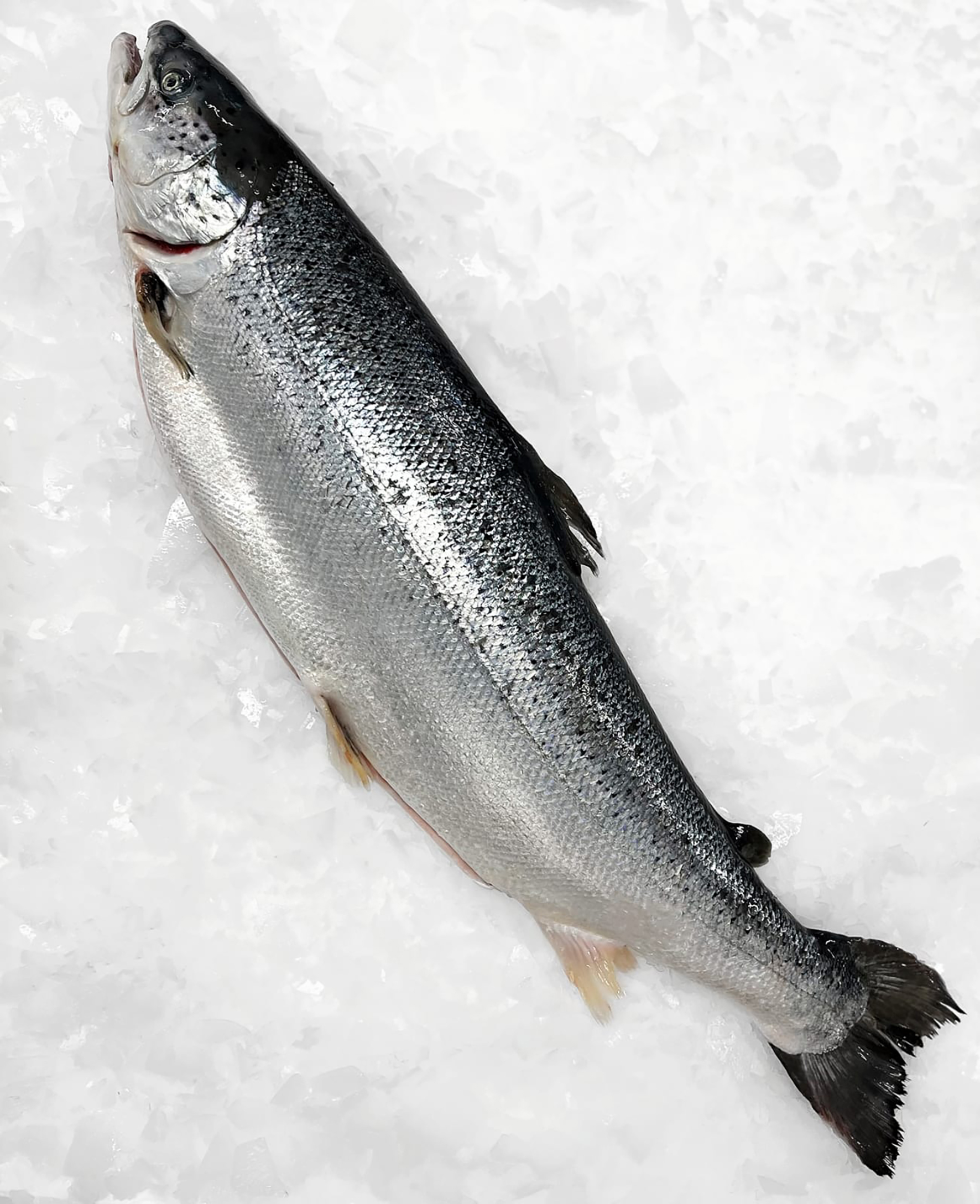
Prices have started to rise unexpectedly in recent weeks. The usual hike after Christmas appeared as expected, followed by an easing that was expected to continue into February at least. Instead, we have seen a 16% increase week on week at the beginning of February. The word on the markets is that there will be a drop in anticipated biomass levels this year driven by a combination of higher sea lice levels, alongside strategic stocking to escape another over supply scenario and to create higher prices. The lower pricing of last year would have been an undesirable result for salmon farmers, so they will be keen to see a bounce upwards this year. The Norwegian biomass at sea in Norway has been lower than the previous year’s level. With only 1-2% biomass growth expected in 2026, salmon is also contending with other higher priced proteins such as beef and poultry which have seen significant inflation. This inflation sees movement into other proteins, so the demand is strong for salmon, and the price will adjust accordingly.

Trout

Plus Icon

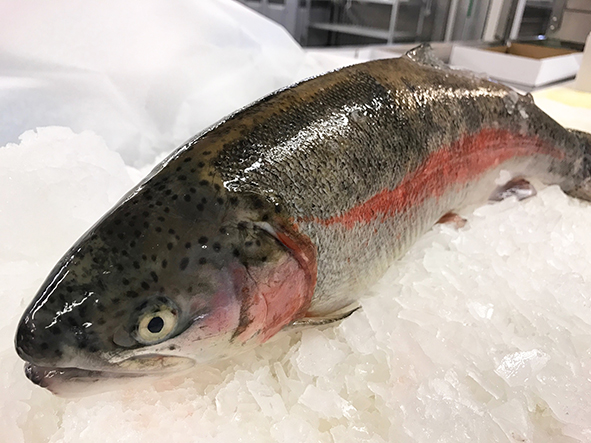
Smaller freshwater rainbow trout, given their lack of popularity, are expected to remain stable in price. Should the salmon price move as forecast (detailed above) we would envisage increased demand for all sea reared trout varieties, and ChalkStream®️ trout. This may see similar inflation in the sea reared origins as the closest alternative to salmon. ChalkStream®️ is likely to be the most stable option when comparing whole fish price alone but remember that the yield to fillets and portions is reduced in comparison to the Scottish and Norwegian trout.

Halibut

Plus Icon

Halibut is anticipated to be steady in price over the forthcoming months. As a premium fish, this will not provide a cost-effective option for your menu, but it can be used in a diverse range of show stopping dishes to attract discerning customers – be that ceviche, carpaccio, grilled, baked, or pan fried. A great source of protein, whilst being rich in vitamins and minerals, halibut is extremely low fat. A great choice all round.

Other farmed species

Plus Icon

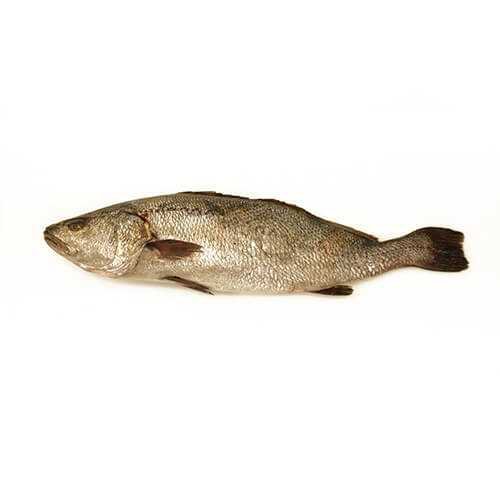
Conversely to sea bass, we are now seeing good biomass levels for meagre. Meagre is a great option for March, when the wild sea bass commercial fishing ban is still in full effect, as its characteristics make it a viable alternative. The firm and meaty texture pairs well with Mediterranean ingredients. It is also a good alternative to cod in this time of white fish inflation. Farmed turbot prices are elevated at present. Their wild counterparts have been commanding some strong prices across all grades, so these do not offer a significantly cost-effective menu option. Farmed halibut is a better choice.

Wild fish

Flat fish

Plus Icon

March still sees some of our native flat fish species in their spawning season, but as we get into April the quality will improve and the likes of megrim sole and plaice will become options for your menu. Plaice from the North Sea are the most responsible choice due to their Marine Conservation Society (MCS) 2 rating. Witch Sole from the North Sea start to spawn in March so one to avoid. Lemon soles remain rated a 4 or 5 by the MCS at time of writing. We are not expecting a change to this in the spring review. Market prices have been higher than expected in recent weeks, and the Easter period could keep demand at higher levels. South coast landings should start to improve as we get into the warmer months, and this should help to reduce prices. Dover soles spawn April to June, so one to avoid after March to give the fish time to reproduce. Brill will be back in season in April so wait until then for the best quality fish. A great alternative to turbot or halibut and delicious when pan fried and served with a brown shrimp sauce. Turbot is out of season through March, April, and May. Wait for the summer to put this king of fish on the menu when we hope to see some good landings.

White fish

Plus Icon

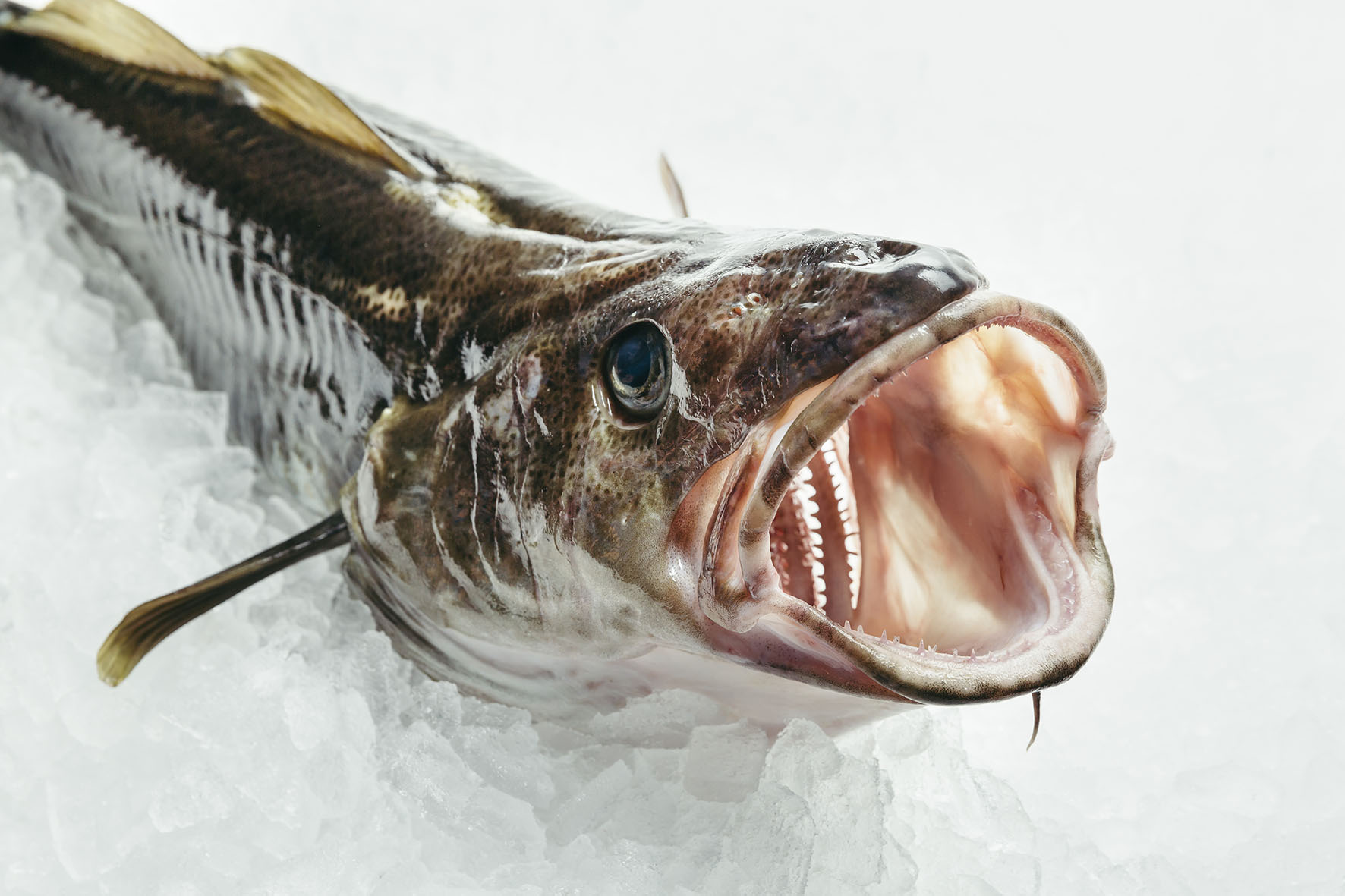
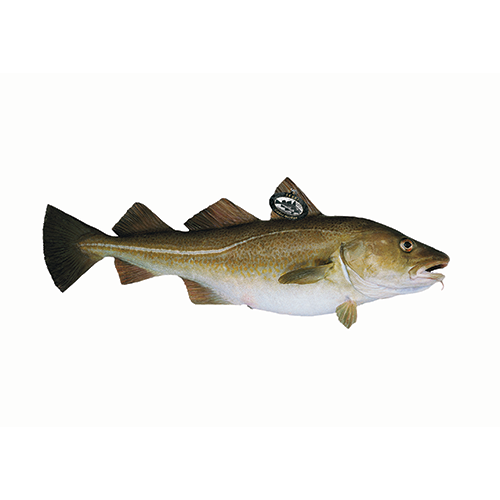
We continue to experience extreme price and demand pressure in the global white fish industry. Both cod and haddock have maintained their steady upwards price trajectory in recent months – not aided by the reduction in fishing effort over the festive period. Prices seem to be levelling out at record levels – with little indication of easing due to the continued effects of quota reductions and demand outstripping supply. There is an increase in the presence of Chinese buyers in Iceland as they are unable to sell Russian sourced fish to most European countries. It is necessary for them to purchase a percentage of Icelandic origin fish to enable continued exports to the USA and Europe. This bolsters demand. From March we will begin to see reduced volumes of smaller codling as the fish begin to spawn. Haddock will also start spawning and the quality will be poorer. Line caught fish will fetch a premium as their condition will be superior.

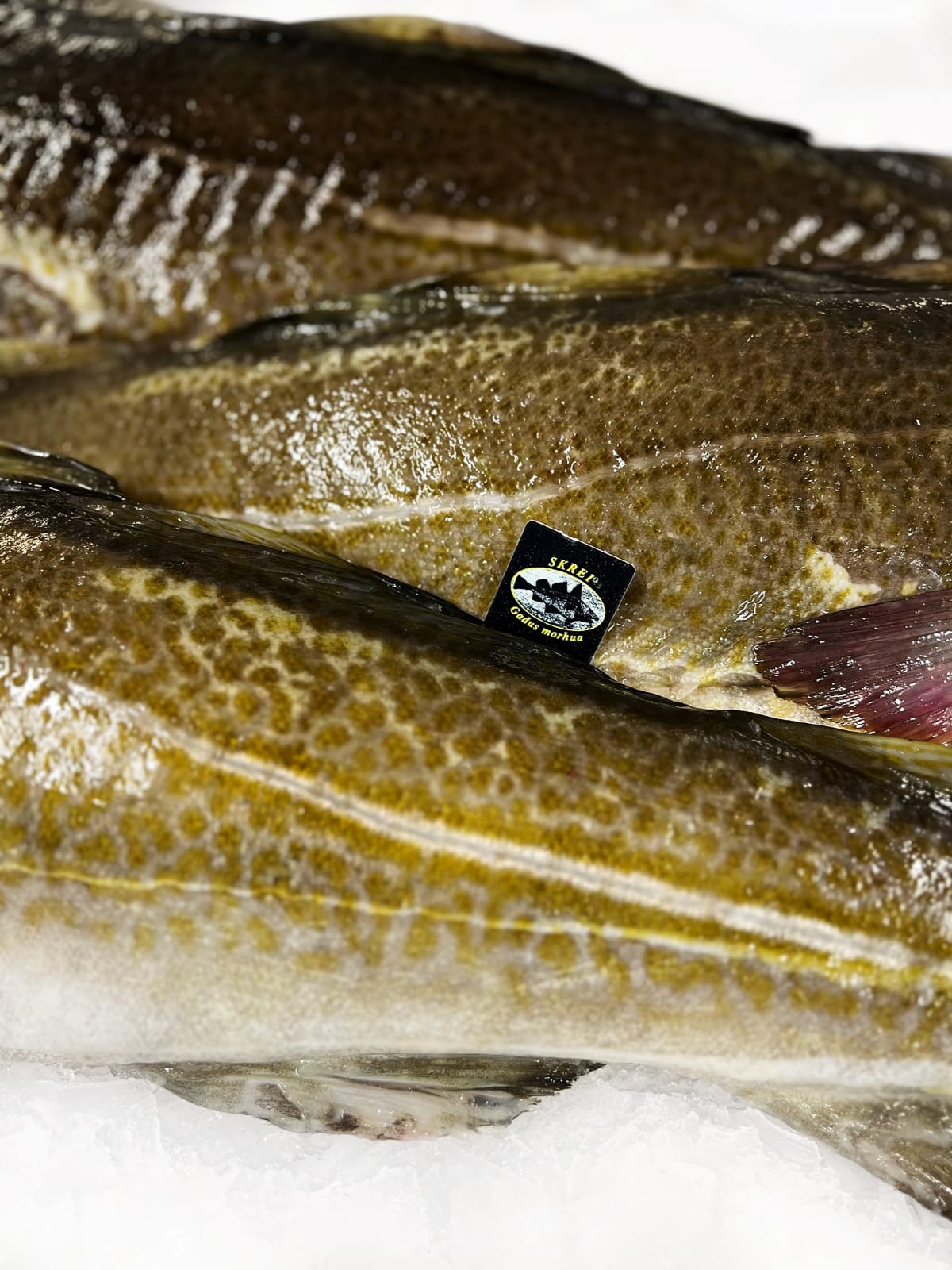
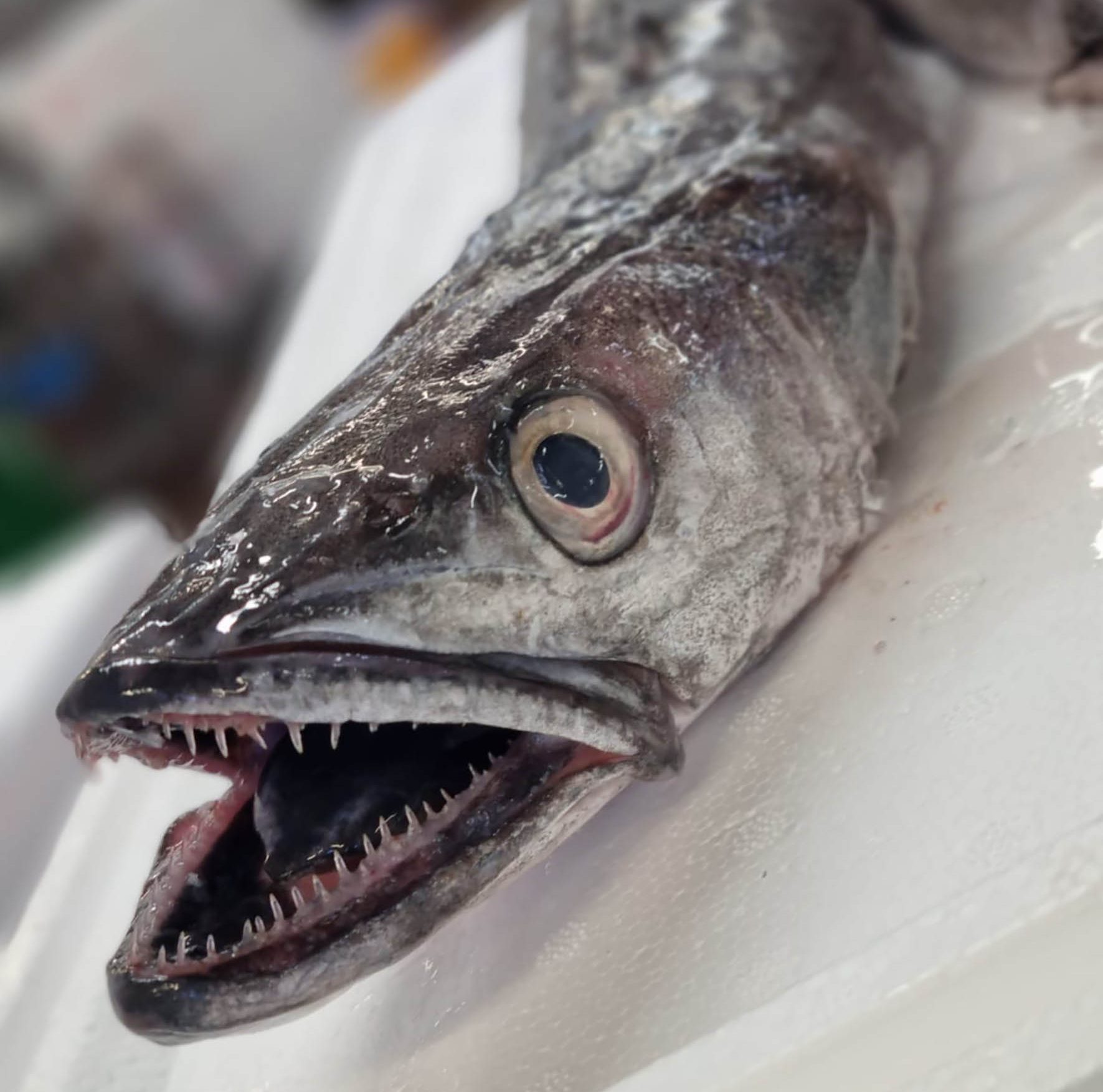
Furthermore, there are extremely low stocks of frozen fish available from Iceland, so there are no reserves to draw off during this time. On a more positive note, the Skrei cod season started in January. Skrei are a migratory cod that undertake a long and rigorous swim from the Arctic to the northern coast of Norway at this time of year. The fish are extremely lean when they enter the Norwegian fishing grounds to spawn. This gives them their unique texture and flavour. They are reported to have the highest nutritional value of all cod. Skrei is in season until the end of April, so make the most of it until this time. Coley prices have edged upwards quite significantly in recent months in a direct response to the inflation in other key species. Still representing great value, coley is a good alternative. Hake prices have been stable in recent weeks. Whilst there is a possibility of cheaper landings when the weather is good, the popularity of the species is expected to keep prices steady. Hake tends to favour late spring, so perhaps an occasional special for now until the weather is more settled. We continue to recommend dynamic menus that enable operators to buy the best fish available on any given day for fish and chip offerings. This could include mixing sizes to ease demand from the popular grades.

Round fish

Plus Icon

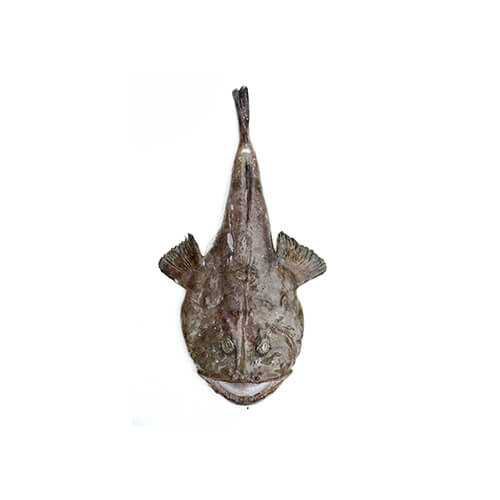
We are recommending monkfish for your menus in the spring. We expect catches to be consistent. Prices have eased since early January, and we do not anticipate any severe increases over the spring period. Rated a 2 or 3 by the MCS, the variety of applications are endless. Monkfish has a dense, non-flaky texture which is perfect for curing in lime, lemon, or yuzu, so try a monkfish ceviche on your spring menu. This is the end of the season for gurnard as they are deemed a winter fish and are not a good choice in the summer. Prices should be stable. Mackerel remains exceedingly difficult. The International Council for the Exploration of the Seas (ICES) recommended a 70% to 77% reduction in mackerel catch quotas for the North-East Atlantic for 2026. Whilst this recommendation was not agreed the UK, Iceland, Norway, and Faroe Islands mutually settled on a 48% cut which is still significant. New quota does not start until May, and current prices are high with a lack of availability. This has had a significant effect on smoked derivatives. One to avoid. Whilst herrings are not used extensively in menus, they are a close alternative, and the price is rising accordingly. Sardines are another good alternative, but the Cornish season does not start until July so frozen options will be the best option until then. The commercial fishing ban for wild sea bass will finish at the end of March. This means you can put these on your menu from April onwards. It has been a long time since we have been able to promote wild sea bass due to the concerns over sustainability. We cannot wait to see these back on menus in April.

Cephalopods

Plus Icon

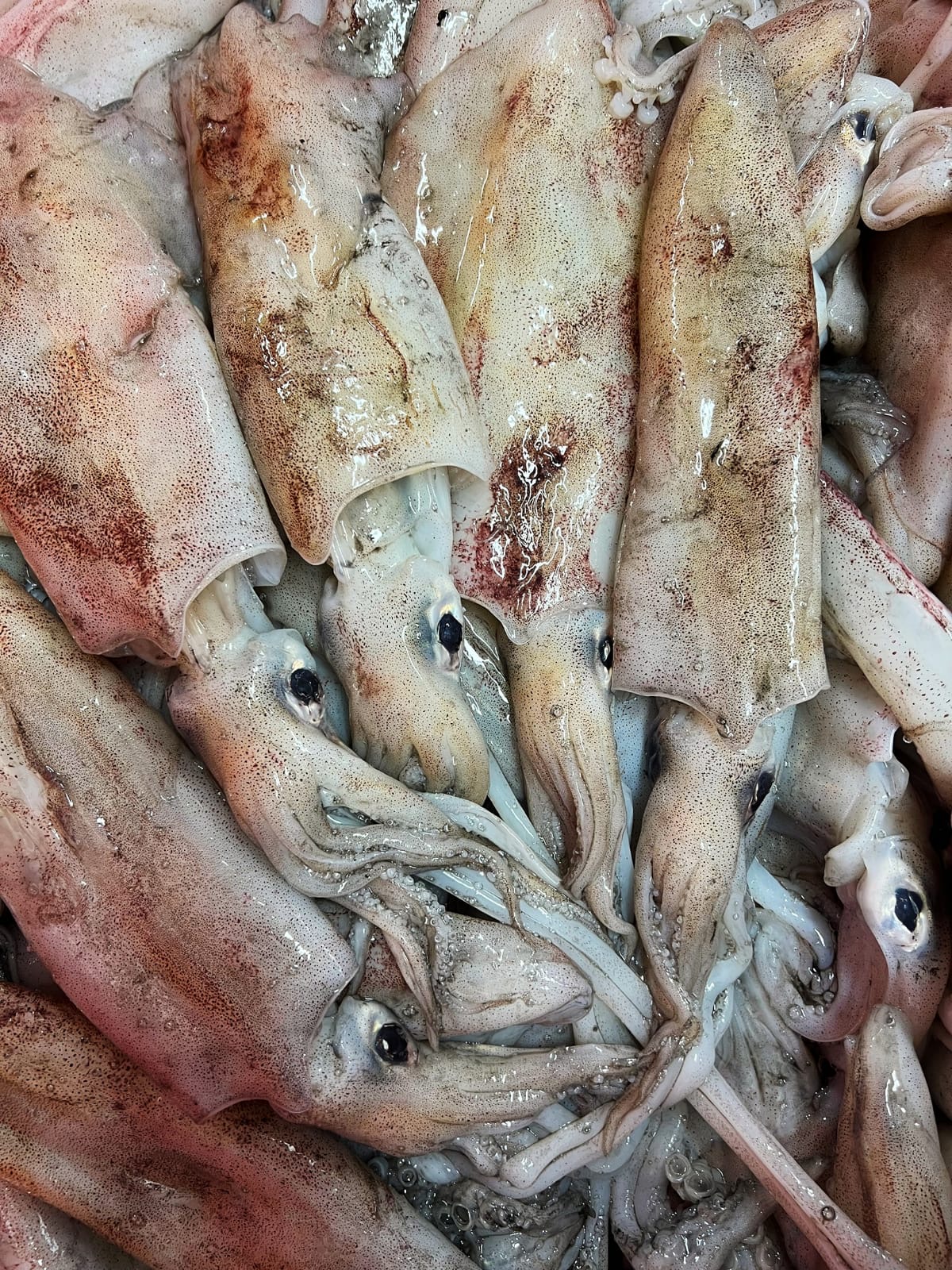
There are still no changes in the MCS ratings for squid, octopus, and cuttlefish. MSC certified squid and octopus are the more sustainable choice. We hope that the significant landings of both species in 2025 will see a revision in the MCS ratings in the future.

Exotics

Plus Icon

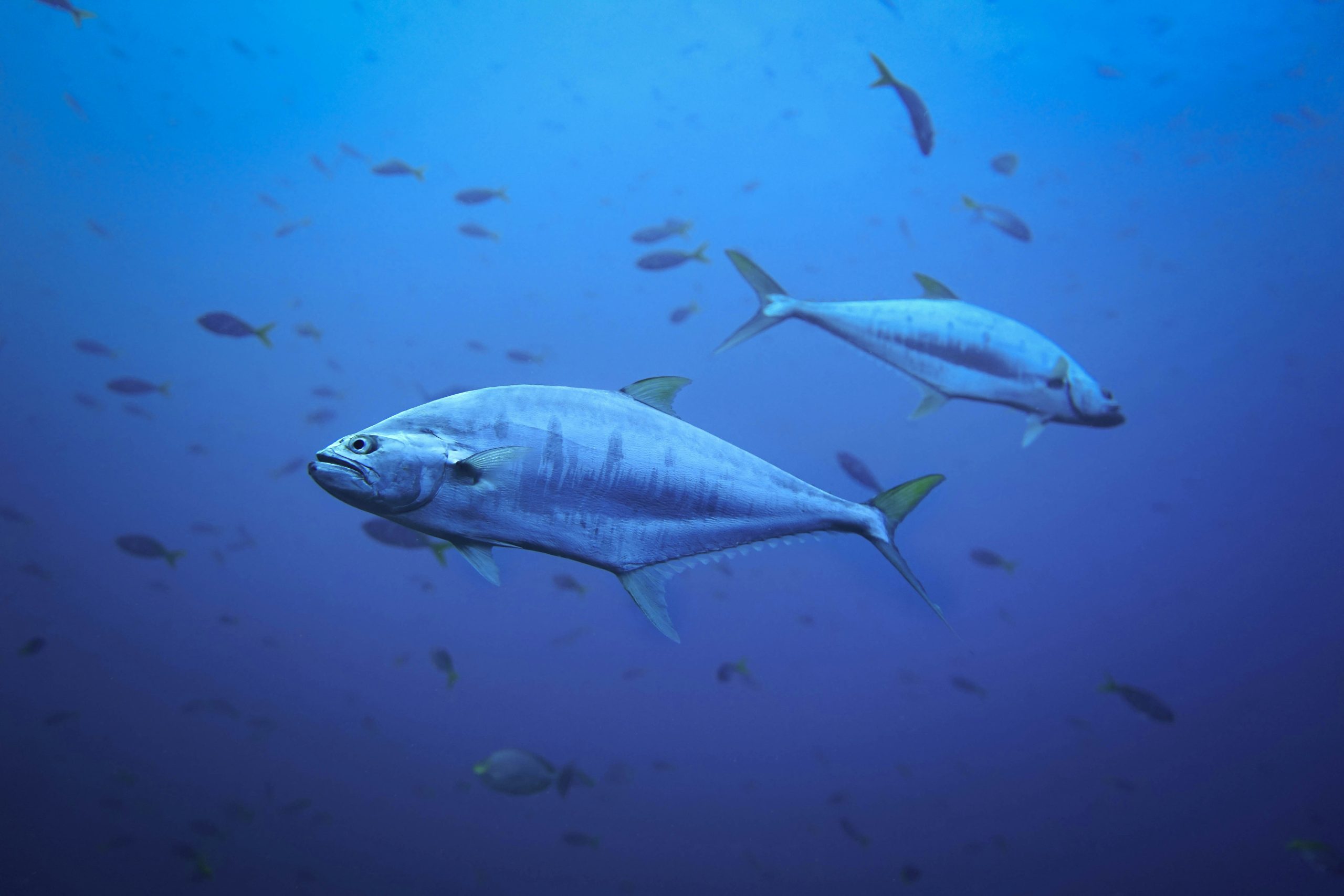
Ramadan began on the 17th of February and ends on the 18th of March. This typically sees a reduction in fishing effort in key regions so there may be a reduction in availability of fresh swordfish and tuna. There will be plenty of frozen inventory for raw and seared tuna applications and prices are not expected to fluctuate. Given the insatiable appetite for poké bowls globally, our Superfrozen tuna is ideal. Appealing to the health-conscious consumer, serve with radish, carrot, edamame, and avocado for a spring light bite.

Shellfish

Plus Icon

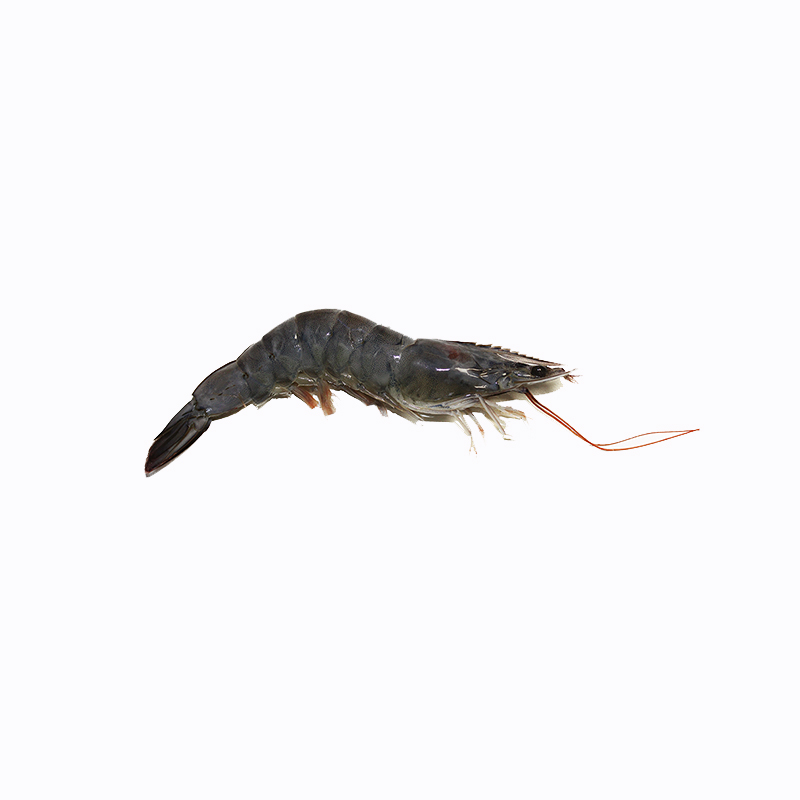
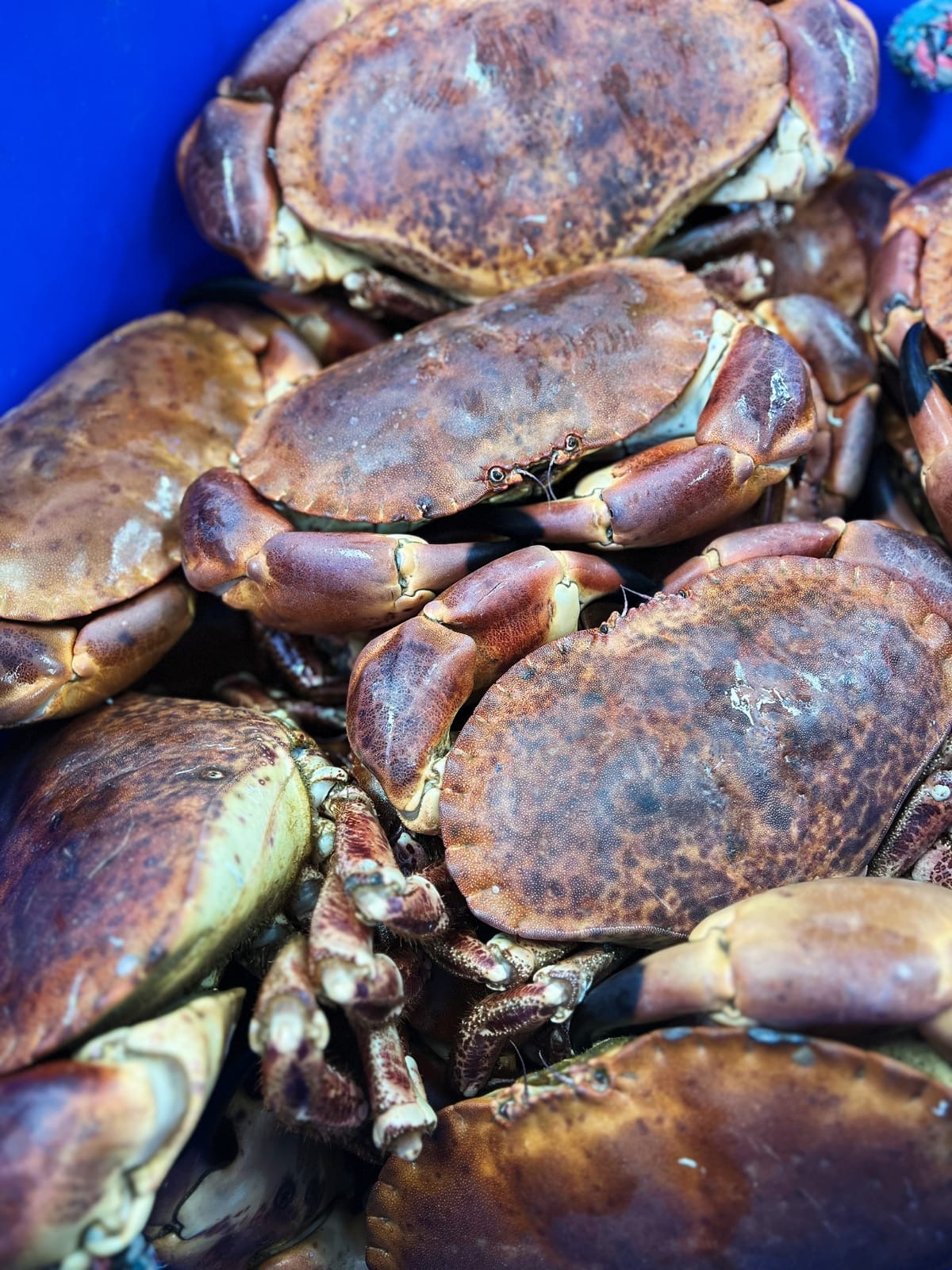
The Canadian lobster season begins in the spring. It can be delayed if there is severely cold weather but should start late April. Prices increased in the first two weeks of January due to a late December surge in sales and tighter supplies due to poor weather. Chinese New Year runs from the 17th of February to the 3rd of March. Once the demand eases, we are hopeful to see lower prices. If the UK weather stays warmer, our own native lobster season will start later in the spring. Good availability of both origins will help to keep prices down, but it will not be until May at the earliest. Mussels will be out of season in May, but if temperatures rise, the quality may start to deteriorate earlier. Those operators who wish to continue offering live mussels during the warmer months should be aware that the product will be weaker and drip loss will be greater. We are still in the hand gathering season for palourde clams until late spring. This sees lower yields and higher prices. There should be some surf clams available as a more cost-effective alternative until the MSC pump scoop dredge season starts on the 25th of May. We are not expecting any issues with our UK native scallops over the spring, with quality deteriorating later in the summer months. These will represent far better value that the imported roeless scallops where issues with supply continue. Persistent low landings and a significant reduction in large sizes caught mean that prices have risen dramatically. Speak to your account manager about the various alternative options we have available. UK processed crab prices have increased. Significant impact is being felt within processing factories due to the increases in the national living wage both historic and forthcoming. This is in addition to rising raw material costs due to reduced landings of brown crab this season. Variable raw material quality is also impacting yields during processing, which significantly raises the cost of finished products. We continue to collaborate with our trusted suppliers to seek more sustainable avenues for the supply of UK crab.

Smoked, deli and frozen fish

Smoked fish

Plus Icon

All core smoked lines are derived from fish which are under severe price pressure currently. Salmon for smoked and cured salmon, mackerel for smoked and peppered mackerel, herrings for kippers, and haddock for smoked haddock. Whilst we foresee no issues with supply availability for any of the above, prices are going to be high during the spring season. Even frozen alternatives are not immune from the increases. Seek to reduce portion size to keep costs down if you are using any of these core lines in the spring. Cured ChalkStream®️ trout should be less affected, but these products are at the top end of the price range currently so will not offer a significant saving. Beware that the increase in the national living wage in April is going to influence factory costs, so we could see additional increases in the cost of processed products.

Deli

Plus Icon

Deli lines remain broadly stable. Prawns and crayfish in brine and anchovies in oil are great additions to spring salads. Talk to your account manager about our range of seaweeds which are a great source of fibre to promote gut health, contain antioxidants to prevent or delay cell damage, and may also be helpful in reducing inflammation. Another win for the health-conscious consumer. A lovely addition to a miso soup, or a poké bowl alongside our Superfrozen tuna.

Frozen fish & seafood

Plus Icon

Frozen white fish inflation has been on the steepest of trajectories in recent months. More increases have come through on cod and haddock as supply is limited, demand is high, and a weaker exchange rate has been making it worse. Headed and gutted (H&G) prices for Russian and Norwegian cod and haddock have reached new record levels, with supply scarce. There is additionally more pressure on pollock and hake as these other white fish increase. Chinese inventories are low, and as operators look to these species as a solution to cod and haddock, demand will inevitably increase alongside the price. Frozen octopus prices are also on the rise after the shortage in Morocco last year – the key producing area. Frozen smoked mackerel and smoked haddock have increased due to the issues detailed with raw material. King prawn prices fortunately remain stable against this backdrop of increases, so we would recommend utilising prawns in both starters and main courses given their popularity and versatility during the spring.

Download this market report

If you would like a PDF copy of our latest market report in the form of the 'Catch-Up', please download a copy via the button below.

Latest news from the seafood industry

Salmon sales rise in UK to £1.5 billion as demand grows

Salmon is the UK’s favourite fish, with new figures revealing sales have soared to £1.5 billion amid rising demand.

Sales jumped by 7.2 per cent in the 12 months to August, accounting for almost a third of all fish sales in the UK. The year-on-year growth for salmon was almost double the 3.7 per cent rise recorded across the wider fish category.

Source (full article) - fishfocus.co.uk

Industry anticipates ‘excellent’ Skrei quality as season kicks off in Norway

The Skrei Patrol outlines expectations for 2026, while seafood specialists extol the virtues of this seasonal delicacy.

January will see the return of the much-anticipated Norwegian skrei season. Hailed for its delicate flavour and silky texture, this relative of the cod family is a highly prized seasonal delicacy sourced from Norway between January and April.

Skrei’s lengthy 1,000km migration from the Barents Sea to its spawning grounds off the coast of northern Norway results in a lean, firm fish, creating a source of rich protein and proving a favourite with chefs globally for its versatility and dense, flaky, snow-white flesh.

Source (full article) - fishfocus.co.uk
School of fish

Scottish industry leaders warn of “very challenging” year ahead

Scotland’s fishing industry is bracing for a difficult year in 2026 as the outcomes of international quota negotiations reveal sharp reductions for several key stocks, including a major cut to Northern shelf cod.

The Shetland Fishermen’s Association (SFA) said the scale of the reductions – particularly the 44% cut to cod – will have deep economic consequences for island communities.

Source (full article) - fishfocus.co.uk

Recipe Corner | Fish cakes

Served with with pickled ribbon salad.

These little fish cakes are so simple to make and any tinned fish: sardines, pilchards, tuna – whether bought in tomato or curry sauce or whatever flavour works well here, so create your own

Source (full article) - fishfocus.co.uk

High levels of inshore squid boost case for pilot fishery

Extraordinary amounts of squid are being found in Shetland’s inshore waters, strengthening the case for the introduction of a pilot fishery for the species.

Shetland Fishermen’s Association is highlighting the finding, part of the results of the Shetland Inshore Fish Survey (SIFS) 2025, published by UHI Shetland.

The annual survey uses a standardised survey trawl fitted with a small mesh cod-end in 27 different locations around the islands, supplemented by 25 additional hauls in known nursery grounds.

Source (full article) - news.sky.com
Octopus

Octopus bloom off southwest UK

New report reveals scale, causes and consequences.

A new report led by the Marine Biological Association (MBA) in collaboration with Plymouth Marine Laboratory (PML), the University of Plymouth and an independent consultant has revealed that a dramatic population bloom of the common octopus (Octopus vulgaris) off the Southwest coast of the UK is having significant effects on fisheries and marine ecosystems.

Source (full article) - fishfocus.co.uk

Recipe Corner | Green seafood curry soup

served with cod and prawns.

This exotic soup is a warm, tasteful and could also be served with rice as a fish curry, if you half the amount of stock.

Source (full article) - fishfocus.co.uk

Seafood industry and welfare groups unite as UK signals end to live boiling

Seafood companies trading in decapod crustaceans are facing a changing legal landscape, as the UK Government has confirmed in its newly published Animal Welfare Strategy that live boiling killing methods for crabs and lobsters such as are “not acceptable.”

Animal welfare organisation Crustacean Compassion has welcomed this clarification and is working with industry partners to provide practical, sustainable solutions to support the transition to higher welfare standards and kitchens without live, conscious boiling.

Source (full article) - fishfocus.co.uk

High seas treaty enters into force: A milestone for ocean conservation

The High Seas Treaty, formally known as the Agreement on Biodiversity Beyond National Jurisdiction (BBNJ), enters into force on 17 January 2026.

The European Union and its Member States are celebrating this significant milestone in ocean conservation and sustainable use of Ocean. This landmark agreement provides a framework for the common governance of about half of our planet’s surface and 95% of the ocean’s volume, representing the largest habitat on our planet.

Source (full article) - oceans-and-fisheries.ec.europa.eu

Recipe Corner | Halibut carpaccio

Served with honey and soy sauce.

Carpaccio is literally what you can call raw pleasure. In this recipe the halibut is served with a sauce of honey and soy.

Source (full article) - fishfocus.co.uk

Have questions about the spring 2026 market report?

Please contact your local Direct Seafoods depot with any seafood queries, and for information on daily landings, new products or assistance with menu planning.

You may also be interested in...

Fresh hake

Market Reports

Summer Market Report 2025

Our summer Catch-Up is available now providing fish market information.

Skrei cod

Market Reports

Spring Market Report 2025

Our market report has some great advice as to what is sustainable and ideal for your menus.

ChalkStream Trout fresh species

Market Reports

Winter Market Report 2025

Our winter Catch-Up is available now, providing fish market information including seasonal updates.