Oysters
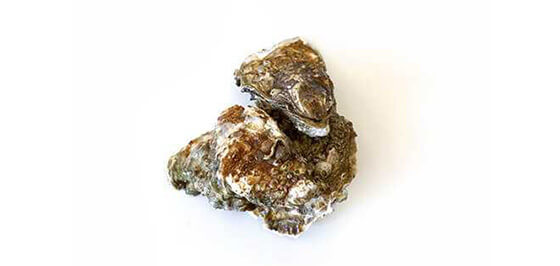
What are Oysters?
There are many brands of the Pacific Rock Oyster species, all of which are visually different, and on most occasions the taste is affected by the area they are grown in. They are cultivated in cages on the sea bed, all around the UK, close to shore. Rock Oysters can be eaten year round, however in spawning periods during the summer months, the meat content becomes very milky pre-spawning and very empty post-spawning. Throughout the warmer months the ability of the oyster to survive out of water is reduced and survival rate will be lower
Crassostrea gigas
Live and frozen
Other oysters and clams

How to store Rock Oysters?
On arrival, rinse the shellfish in cold water and allow to drain. Do not store shellfish in tap water as they will die. Once drained, transfer to preferably a metal or glass container as this will be colder than a plastic container, place in the fridge and cover with a suitable, damp covering, to stop the shellfish drying out. It is always best to have your oysters stored the correct way up – flat side at the top – to stop the Oyster opening. Shellfish live in the sea – they do not live in a fridge so the more they are looked after, the better they will keep!
Related fish
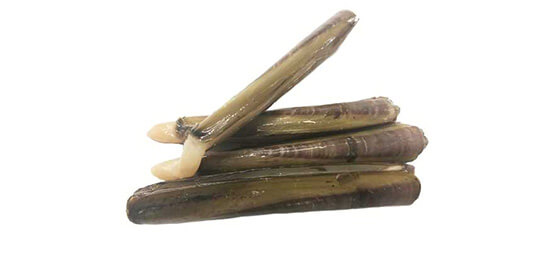
Sweet, briny shellfish; eaten raw, steamed, or in chowders; adds rich depth to pasta sauces and broths.
Learn more about clams – razor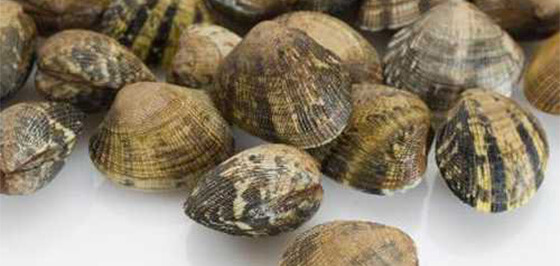
Palourde clams are highly prized bivalve molluscs in the family Veneridae, considered one of the finest varieties of clams.
Learn more about clams – palourde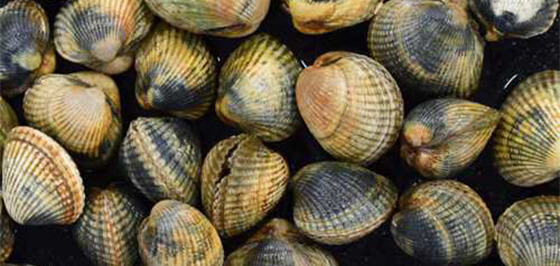
Cockles are edible marine bivalve mollusks with distinctive ribbed, heart-shaped shells that live in sandy coastal areas and filter feed on plankton.
Learn more about cockles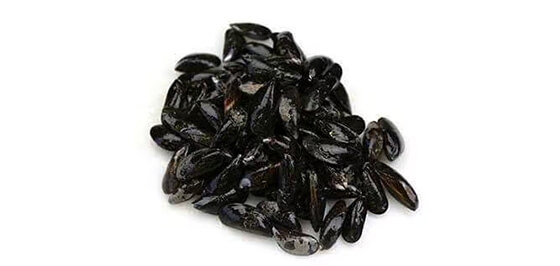
Mussels are bivalve mollusks that attach to rocks, sediments, and various substrates using fibrous byssus threads, inhabiting intertidal and shallow subtidal zones in both marine and freshwater environments worldwide.
Learn more about mussels
Rock oysters are marine bivalve mollusks that cement themselves to hard surfaces in coastal waters, forming reef structures while filter-feeding on plankton.
Learn more about oysters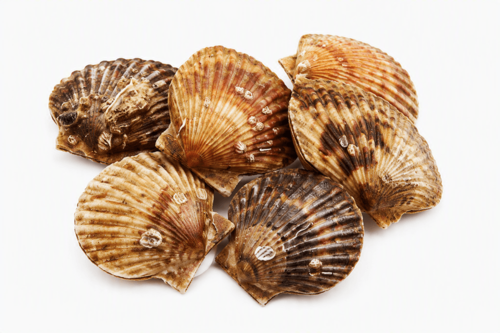
American and Japanese scallops are prized for their large size, sweet flavour, firm texture and premium quality.
Learn more about scallops – american/japanese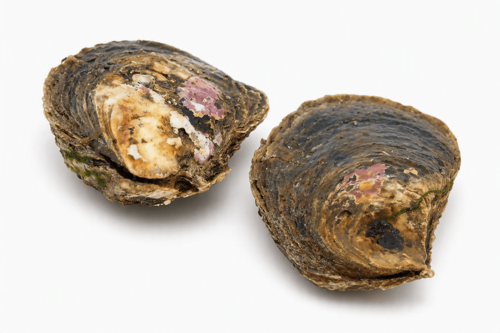
Native scallops offer exceptional sweetness, tender texture, depth of flavour and outstanding premium quality.
Learn more about scallops – native / native dived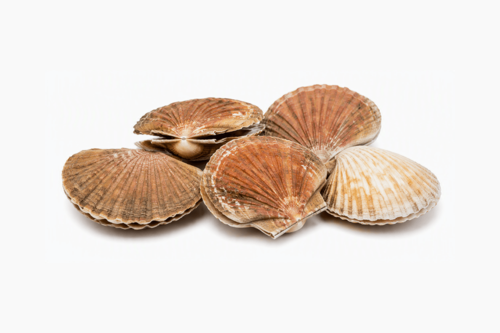
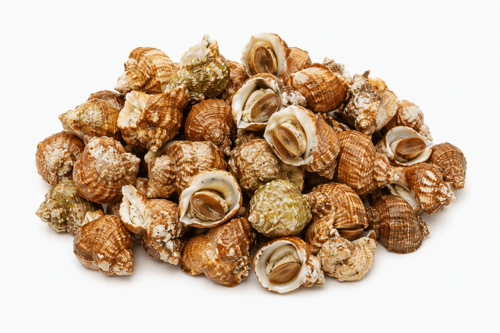
Whelks bring subtle sweetness, distinctive texture and traditional character to contemporary seafood dishes and sharing platters.
Learn more about whelks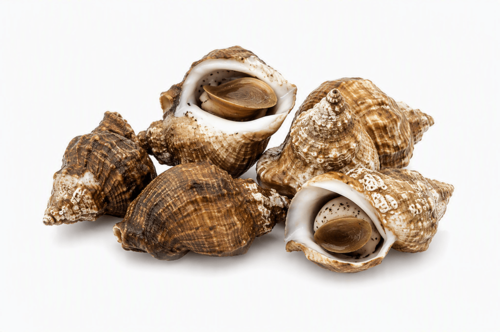
Winkles bring heritage, provenance and authentic coastal character to seafood menus.
Learn more about winkle